
Imperial Europe / Austria City Guide
Vienna, Rewritten in Gold
Travel Guide for 2026
A polished guide to Vienna’s palaces, opera houses, Gothic towers, café culture, public transport, classic dishes, and elegant first-time itinerary planning.
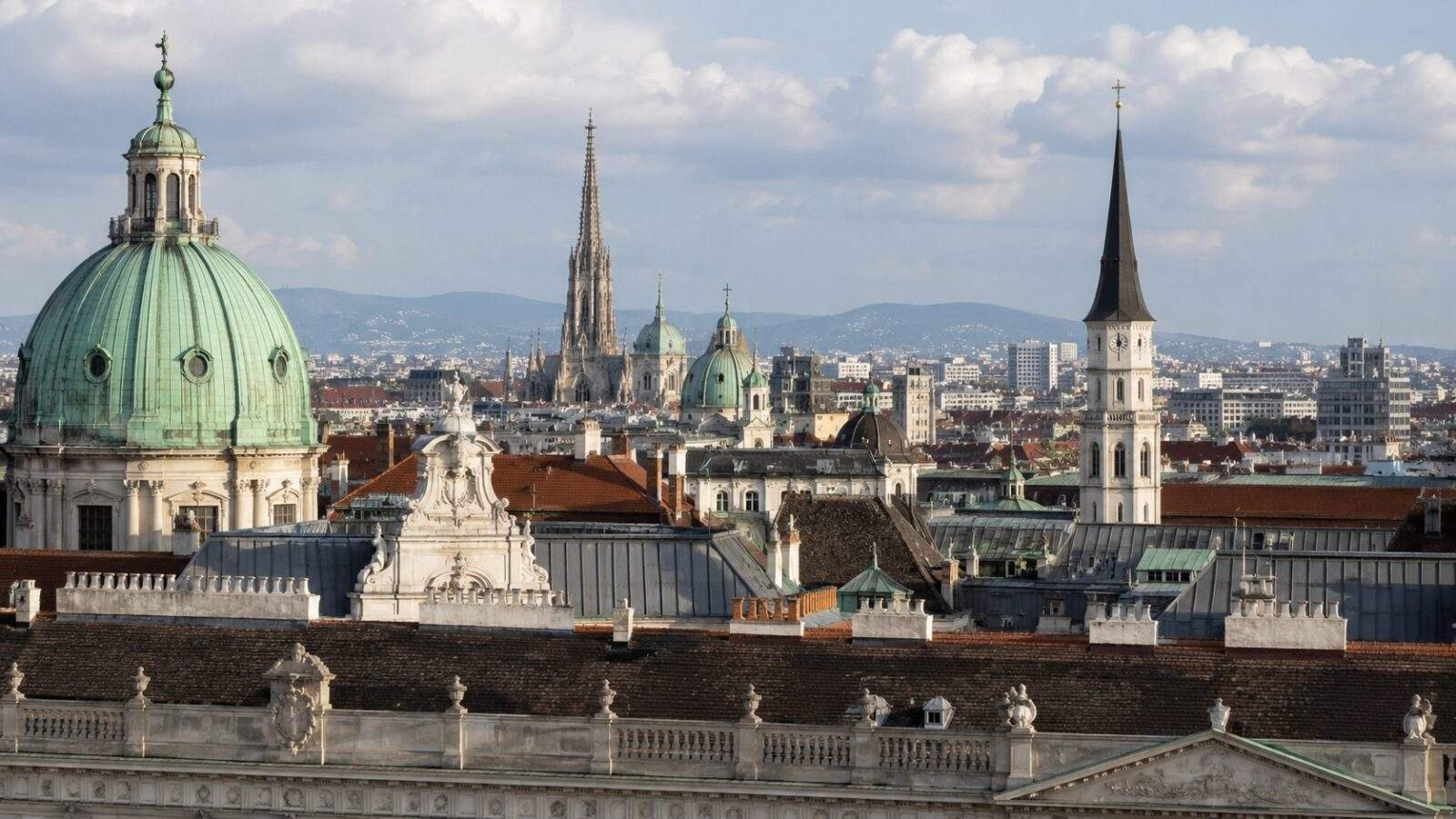
Vienna layers Habsburg grandeur, Gothic landmarks, music history, and polished café culture into one of Europe’s most elegant city breaks.
Content Editor:
Hana Sherin
Vienna is the kind of capital that makes grandeur feel usable. Palaces, opera houses, trams, markets, and coffeehouses sit inside a city that is easy to navigate and rich in detail. This guide refines the classic Vienna checklist into a practical, premium plan for seeing the imperial core, choosing essential attractions, eating well, and moving around the city with confidence.
Known ForHabsburg palaces, classical music, grand cafés, Baroque avenues, museums, and the Gothic roofline of St. Stephen’s Cathedral
Travel MoodElegant, cultural, walkable, museum-rich, romantic, and highly practical for first-time Europe itineraries
Ideal Trip Length3 to 5 days for the classic sights; 7 days with wine taverns, museums, and a Bratislava day trip
Vienna works best when you balance imperial icons with slow pleasures: a morning palace visit, an afternoon museum, and a long coffeehouse pause before the evening lights come on.
Why Vienna Still Feels Imperial
Vienna’s identity is tied to the Habsburg court, but the city is not frozen in ceremony. The old imperial routes now frame museums, cafés, parks, markets, and music venues that still feel central to daily life.
First-time visitors should begin in the Innere Stadt, then branch out to Schönbrunn, Belvedere, Prater, and the Danube. The city’s official tourism board groups the major sights clearly, making Vienna especially easy to plan by district and interest.
Editorial Route
Start with St. Stephen’s Cathedral and the Hofburg in the morning, save palaces or museums for the afternoon, and keep one evening free for opera, classical music, or a candlelit walk along the Ringstrasse.
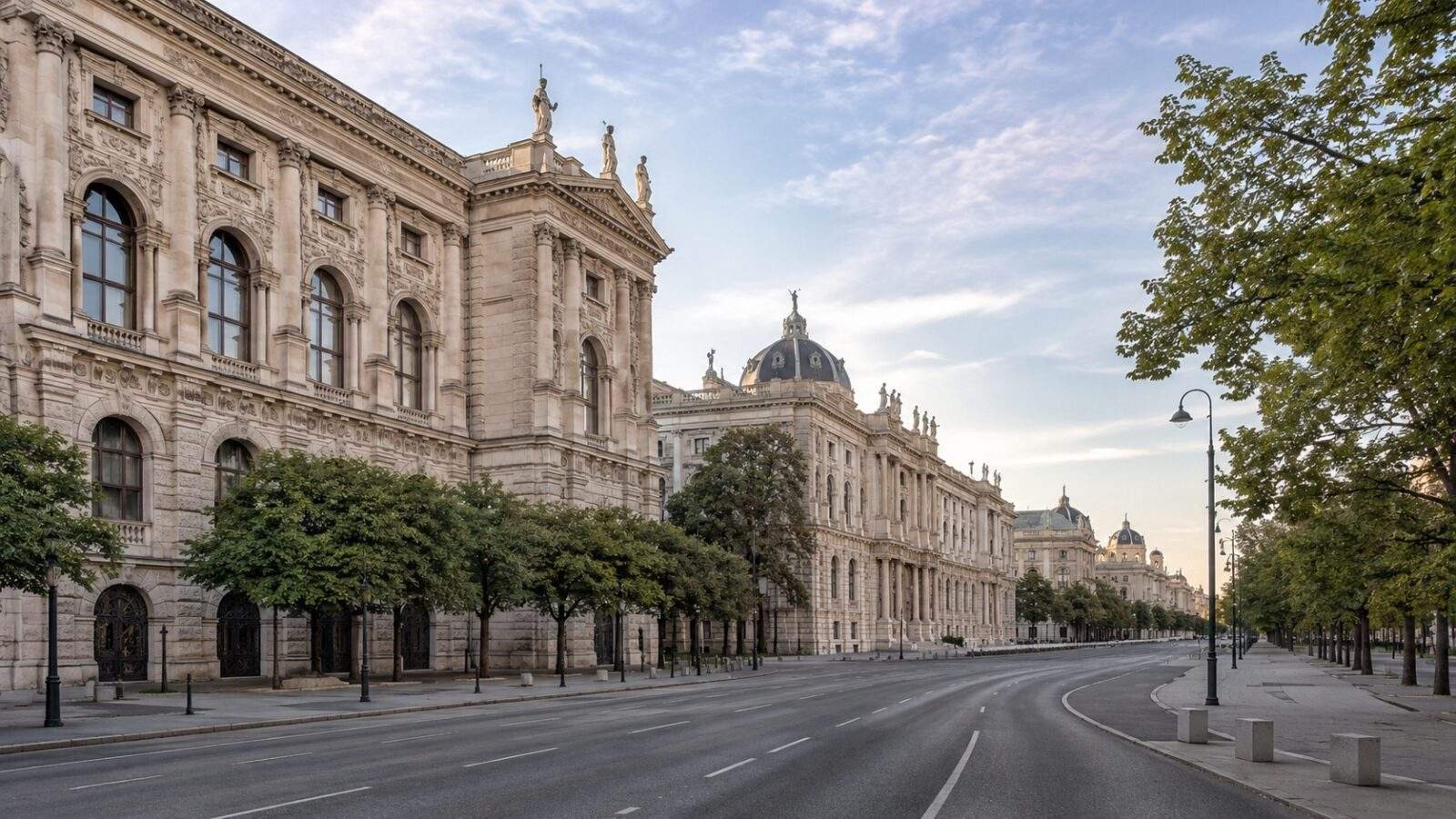
Top Attractions in Vienna
These are the Vienna sights that define the city’s first impression: imperial residences, Gothic towers, museums, music, gardens, and panoramic views.
1. Schönbrunn Palace and Gardens
Schönbrunn is Vienna’s great imperial summer residence, with Baroque gardens, ceremonial rooms, the Gloriette, and enough scale to justify a half-day visit. Book timed palace access early in peak months.
Attraction Tickets
Book Vienna’s busiest sights before you go
Schönbrunn, Belvedere, and museum entries can sell into fixed time slots. Reserving ahead keeps your itinerary smooth, especially on short city breaks.
Book Vienna tickets2. Hofburg Palace and the Imperial Core
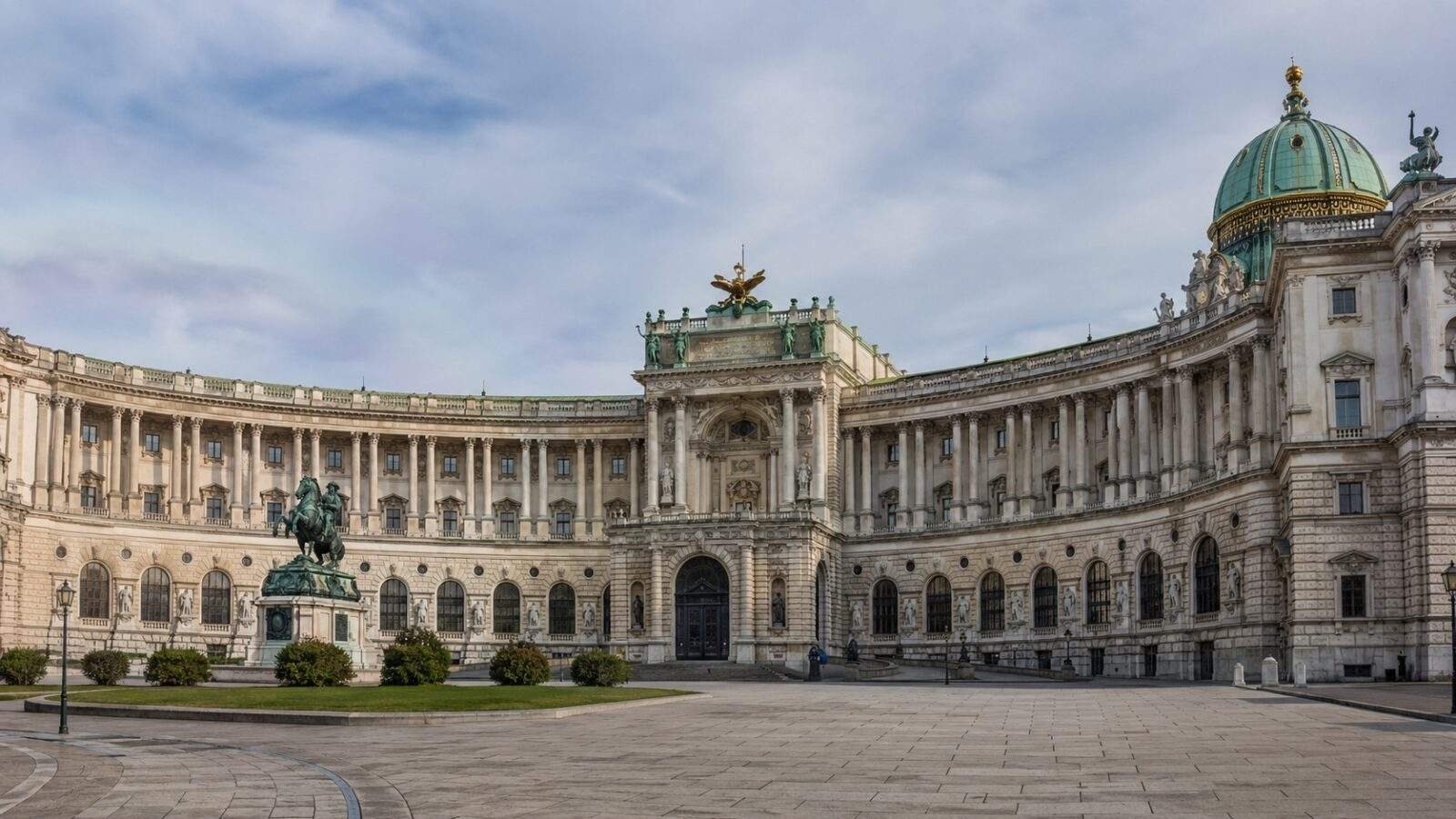
The Hofburg is Vienna’s historic power center, linking imperial apartments, courtyards, museums, the Spanish Riding School area, and the city’s ceremonial streets into one walkable complex.
Airport Arrival
Make arrival simple after a long flight
Vienna Airport is well connected by rail, but a pre-booked transfer can be easier with late arrivals, luggage, families, or hotel check-in windows.
Book airport transfers3. St. Stephen’s Cathedral
St. Stephen’s Cathedral is Vienna’s Gothic landmark, known for its patterned tiled roof and 136-meter south tower. It is the symbolic center of the old town and a natural starting point for walking routes.
4. Vienna State Opera
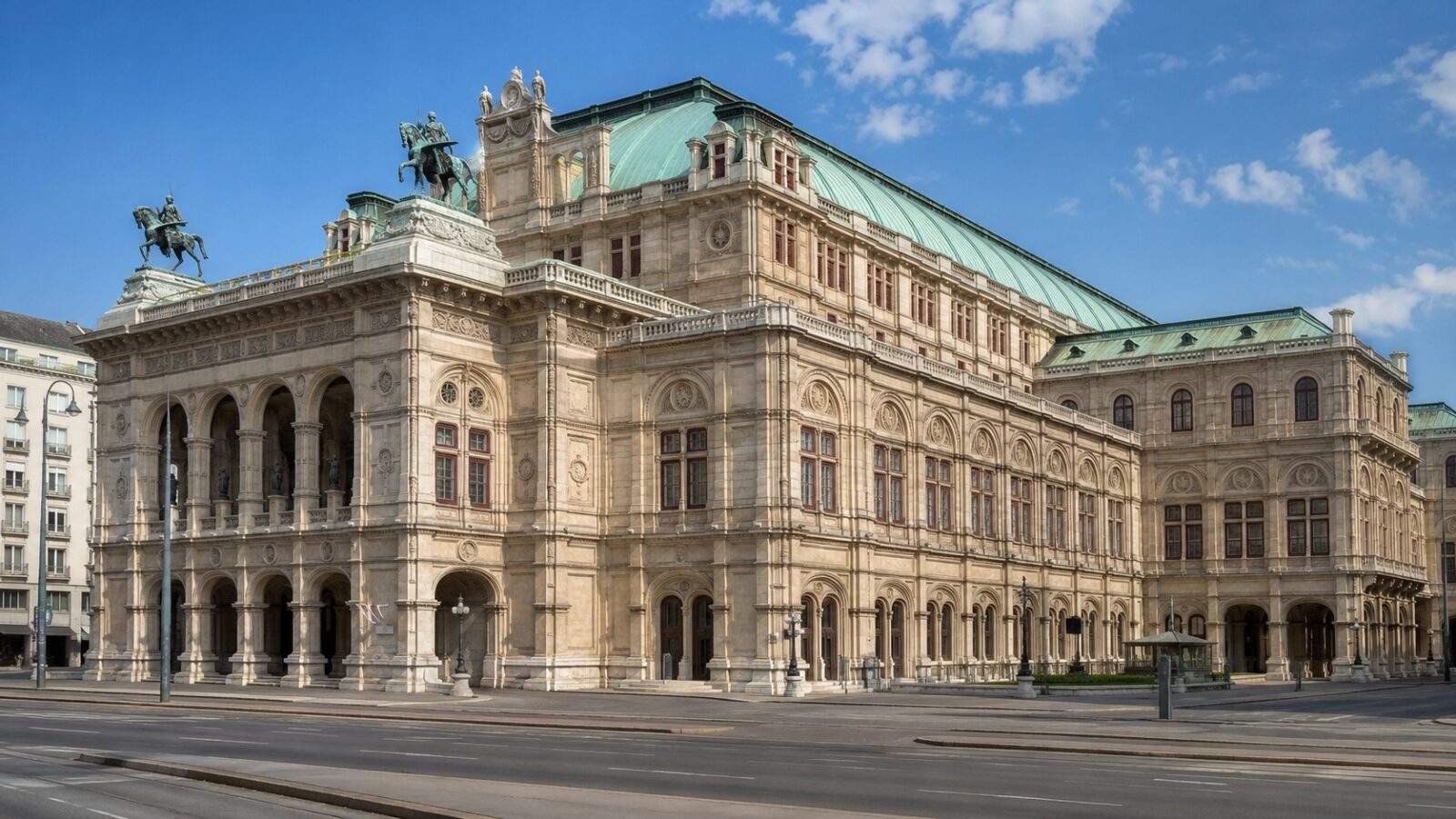
The Vienna State Opera remains one of the city’s defining cultural institutions. Guided tours reveal the 19th-century building, while performance tickets and standing-room options suit a wide range of budgets.
Self-Guided Culture
Use audio tours for museum-heavy days
Vienna rewards slow looking. A self-guided audio tour is useful when you want cultural context without locking your whole day into a group schedule.
Book self-guided tours5. Belvedere, Prater, MuseumsQuartier, Rathaus, Parliament, and the Danube Tower
Round out the top ten with Belvedere’s Klimt collection, Prater’s historic amusement park, MuseumsQuartier, Vienna City Hall, the Austrian Parliament, and the Danube Tower for skyline views.
Plan Your Trip
Some links below are affiliate links. If you book through them, TripGuide may earn a commission at no extra cost to you.
Find Flights to Vienna
Compare routes into Vienna International Airport and nearby European hubs before choosing whether to arrive by air, rail, or a multi-city itinerary.
Search flightsChoose a Vienna Stay
Look for hotels near the Innere Stadt, Neubau, Landstrasse, or Schönbrunn depending on whether your trip prioritizes sights, food, museums, or calm evenings.
Find hotelsReserve Tours and Tickets
Timed palace visits, museum tickets, concerts, and guided walks are worth booking ahead when your Vienna itinerary is only a few days long.
Book tickets & tours
Smart Picks
Recommended Travel Gear
Essential accessories for smoother journeys — trusted picks travelers love.
Affiliate links help support TripGuide.
Essential Vienna Travel Tips
- Use public transport for longer hops: U-Bahn, trams, buses, S-Bahn, and regional trains make most visitor routes straightforward.
- Book Schönbrunn, Belvedere, opera performances, and high-demand restaurants early if traveling in spring, summer, Advent, or ball season.
- Keep cash for small traditional stands and markets, but expect cards to work widely in hotels, museums, and central restaurants.
- Plan museums in clusters: Hofburg and the Kunsthistorisches Museum pair well, while Belvedere is easier as a separate half-day.
- For atmosphere, walk the first district after dark, when lit façades around the cathedral, opera, and Hofburg feel especially cinematic.
What to Eat in Vienna
Vienna’s food culture moves between grand cafés, hearty taverns, imperial desserts, market snacks, and sausage stands. Save time for both a proper sit-down meal and a classic coffeehouse pause.
Local Dishes to Try
- Wiener Schnitzel — crisp, golden breaded veal or pork, usually served with potato salad or lemon.
- Tafelspitz — boiled beef with broth, root vegetables, apple-horseradish, and chive sauce.
- Käsekrainer — a cheese-filled sausage best eaten hot at a Würstelstand.
- Sachertorte — dense chocolate cake with apricot jam and a glossy chocolate coating.
- Apfelstrudel — warm apple strudel, often served with vanilla sauce or whipped cream.
Where to Eat
Figlmüller Wollzeile
A famous central schnitzel address with generous portions and a high-energy dining room. Reserve ahead and expect a classic visitor-friendly experience.
Plachutta Wollzeile
Best known for Tafelspitz and traditional Viennese cooking, this is a strong choice when you want a formal, old-city meal.
Bitzinger Würstelstand Albertina
A landmark sausage stand near the Albertina and opera, ideal for Käsekrainer, quick snacks, and late-night Vienna flavor.
Café Sacher Wien
The famous place for Original Sacher-Torte, polished service, and a central coffeehouse stop beside the opera.
Food Delivery App
Lieferando in Vienna
Lieferando is a practical option for delivery or collection in Vienna, especially on late arrivals or quiet hotel nights after museum-heavy days.
Minimum Daily Budget
From about €75–95 per day
A careful budget can cover simple accommodation, casual meals, coffee, and a 24-hour transit ticket. Add more for palace interiors, concerts, and full-service restaurants.
How to Reach and Move Around Vienna
Vienna International Airport is connected to the city by the City Airport Train, S-Bahn and regional rail, airport buses, taxis, and ride apps. The CAT reaches Wien Mitte in 16 minutes, while the S7 is the lower-cost rail option.
Connectivity
Stay connected from the airport
An eSIM is useful for maps, transit apps, restaurant reservations, ride apps, and ticket confirmations before you reach your hotel Wi-Fi.
Get eSIMInside the city, Wiener Linien tickets cover the core zone for U-Bahn, trams, and buses. The 2026 fare structure lists a single ticket at €3.20 and a 24-hour Vienna ticket at €10.20.
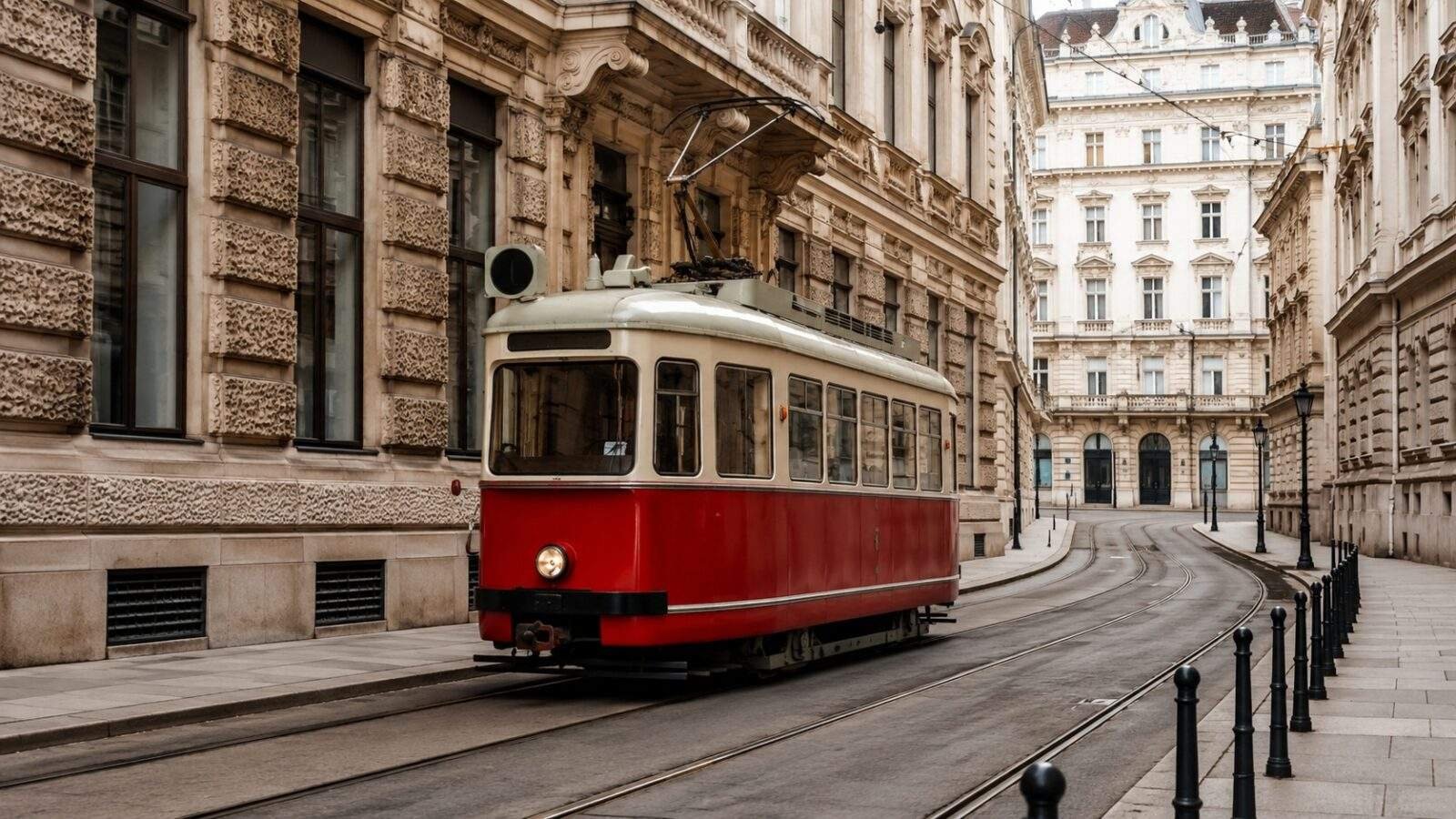
Airport to center
Use CAT for the fastest non-stop rail link to Wien Mitte, or choose S7 and regional trains for a lower-cost public transport route.
Best base
The Innere Stadt is most convenient, Neubau is excellent for cafés and museums, and Landstrasse works well for Belvedere and airport rail links.
Best season
Spring and autumn balance weather and crowds. December is magical for Christmas markets, while summer brings festivals and longer evenings.
Easy day trip
Bratislava is close enough for a classic day trip, especially by train, making Vienna useful as a two-country city-break base.
Final Word
Vienna is not a city to rush. The major sights are impressive, but the real pleasure comes from connecting them slowly: a tram ride, a museum corridor, a palace garden, a slice of cake, and an evening performance.
Luggage Storage
Store bags on arrival or departure day
If your flight or train timing leaves a gap before check-in, luggage storage can turn a wasted day into another museum, market, or café stop.
Store your bagsFor a first visit, prioritize the cathedral, Hofburg, Schönbrunn, Belvedere, the opera quarter, and one long coffeehouse break. Then return for the neighborhoods, vineyards, markets, and quieter galleries that make Vienna feel endlessly revisitable.
Sources & References
Written by TripGuide Editors. Opinions are our own, based on research online and offline.





You’re so awesome! I don’t believe I have read a single thing like that before. So great to find someone with some original thoughts on this topic. Really.. thank you for starting this up. This website is something that is needed on the internet, someone with a little originality!
I think, that you are not right. I am assured. I can prove it.