Africa City Guides
The Diplomatic Heart of Africa: Addis Ababa’s Essential City Guide
Travel Guide for 2026
A refined guide to Addis Ababa’s diplomatic landmarks, imperial history, Orthodox churches, coffee culture, mountain viewpoints, food scene, and practical travel essentials for a confident first visit.
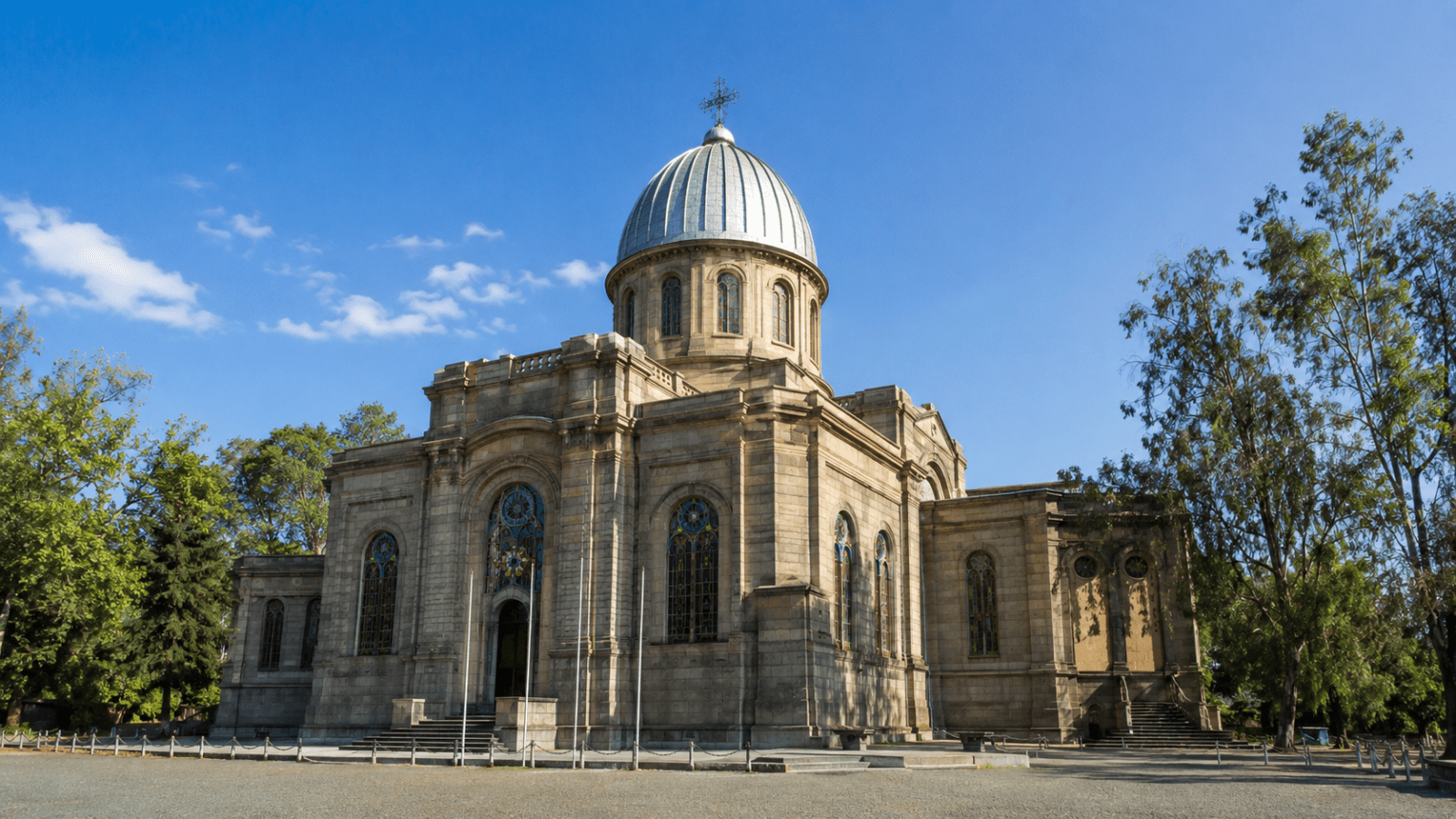
Holy Trinity Cathedral anchors Addis Ababa’s Orthodox heritage, imperial memory, and twentieth-century history.
Content Editor:
Hana Sherin
Addis Ababa rewards travellers who look beyond the airport stopover. Ethiopia’s capital sits high in the central highlands, balancing African Union diplomacy with Orthodox cathedrals, markets, museums, modern restaurants, and coffee ceremonies. This guide focuses on the city’s essential sights, practical logistics, local dishes, and simple planning choices for a first-time visit.
Known ForAfrican Union headquarters, Ethiopian coffee culture, Orthodox heritage, Lucy at the National Museum, and Entoto viewpoints
Travel MoodDiplomatic capital energy, deep history, traditional food, markets, museums, and cool highland evenings
Ideal Trip Length2–4 days for the city; 5–7 days with Entoto, markets, and a nearby day trip
Addis Ababa is not a polished museum city; it is a living capital where pan-African politics, imperial memory, coffee rituals, and everyday Ethiopian creativity share the same streets.
Why Addis Ababa Matters
Founded in the late nineteenth century under Emperor Menelik II, Addis Ababa grew from a highland settlement into Ethiopia’s political, cultural, and transport centre. Its name is commonly translated as “New Flower,” a fitting image for a capital that keeps rebuilding itself while holding tightly to national identity.
The city’s diplomatic weight is real: the African Union lists its headquarters in Addis Ababa, and the United Nations Economic Commission for Africa is also based in the city. For travellers, that status creates a distinctive mix of government districts, conference hotels, international restaurants, and deeply local neighbourhood life.
The highland advantage
At roughly 2,300 metres above sea level, Addis Ababa feels cooler than many visitors expect. Pack a light layer for evenings, take your first day slowly, and leave time for coffee rather than trying to rush every museum.
Top 7 Attractions in Addis Ababa
Use these seven places as the backbone of a first itinerary. They combine archaeology, imperial history, remembrance, mountain scenery, markets, and modern public space without turning the city into a checklist.
1. National Museum of Ethiopia
Start with the National Museum, best known for Lucy, the Australopithecus afarensis fossil discovered in Ethiopia in 1974. The museum also introduces Ethiopian art, imperial objects, archaeology, and the country’s central place in human-origins research.
Tours & Tickets
Make the museum day easier
A guided city tour can help connect Lucy, Holy Trinity Cathedral, Meskel Square, and local coffee culture without losing time between districts.
Book tickets & tours2. Holy Trinity Cathedral and 3. Red Terror Martyrs’ Memorial Museum
Holy Trinity Cathedral is one of the city’s most important Orthodox sites, associated with Emperor Haile Selassie and modern Ethiopian church history. Nearby, the Red Terror Martyrs’ Memorial Museum is a sober stop that explains the violence of the Derg period and should be approached with respect.

Airport Arrival
Arrive with less friction
Bole International Airport is Addis Ababa’s main gateway. A pre-booked airport transfer is useful if you land late, carry luggage, or want a fixed pickup plan.
Book airport transfers4. Mount Entoto and Entoto Park
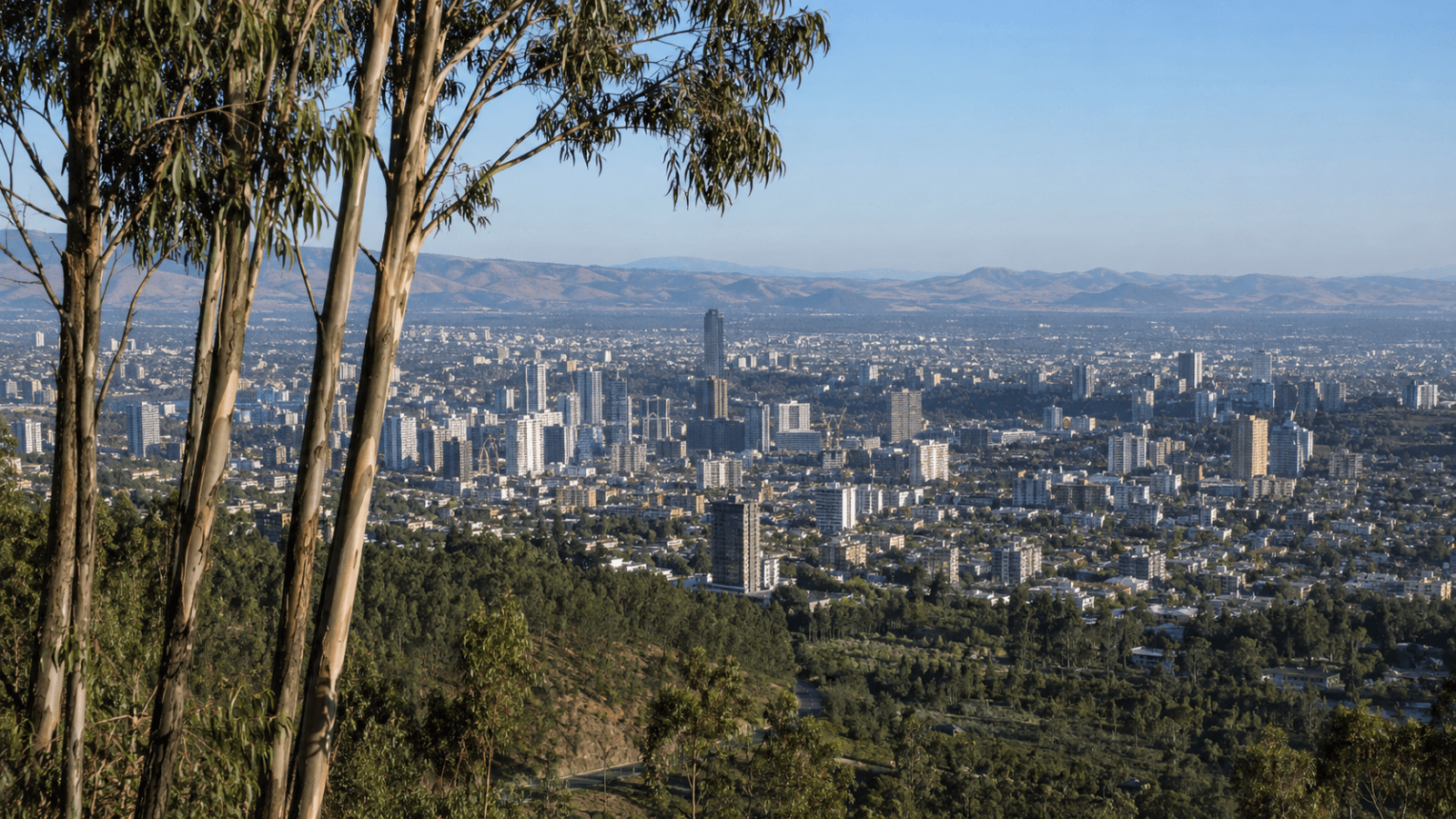
Entoto rises above the city with wide views, forested roads, churches, and cooler air. Entoto Park has become one of Addis Ababa’s most accessible outdoor escapes, especially for travellers who want a short nature break without leaving the capital.
5. Unity Park and 6. Ethnological Museum
Unity Park, inside the Grand Palace grounds, presents imperial architecture, gardens, and national-history displays in a carefully managed setting. The Ethnological Museum, housed in the former Guenete Leul Palace at Addis Ababa University, is a rewarding companion stop for culture, music, textiles, and household traditions.
Connectivity
Stay connected on arrival
An eSIM is practical for maps, taxi apps, restaurant checks, and family messages before you sort out local connectivity in the city.
Get eSIM7. Shiromeda Market
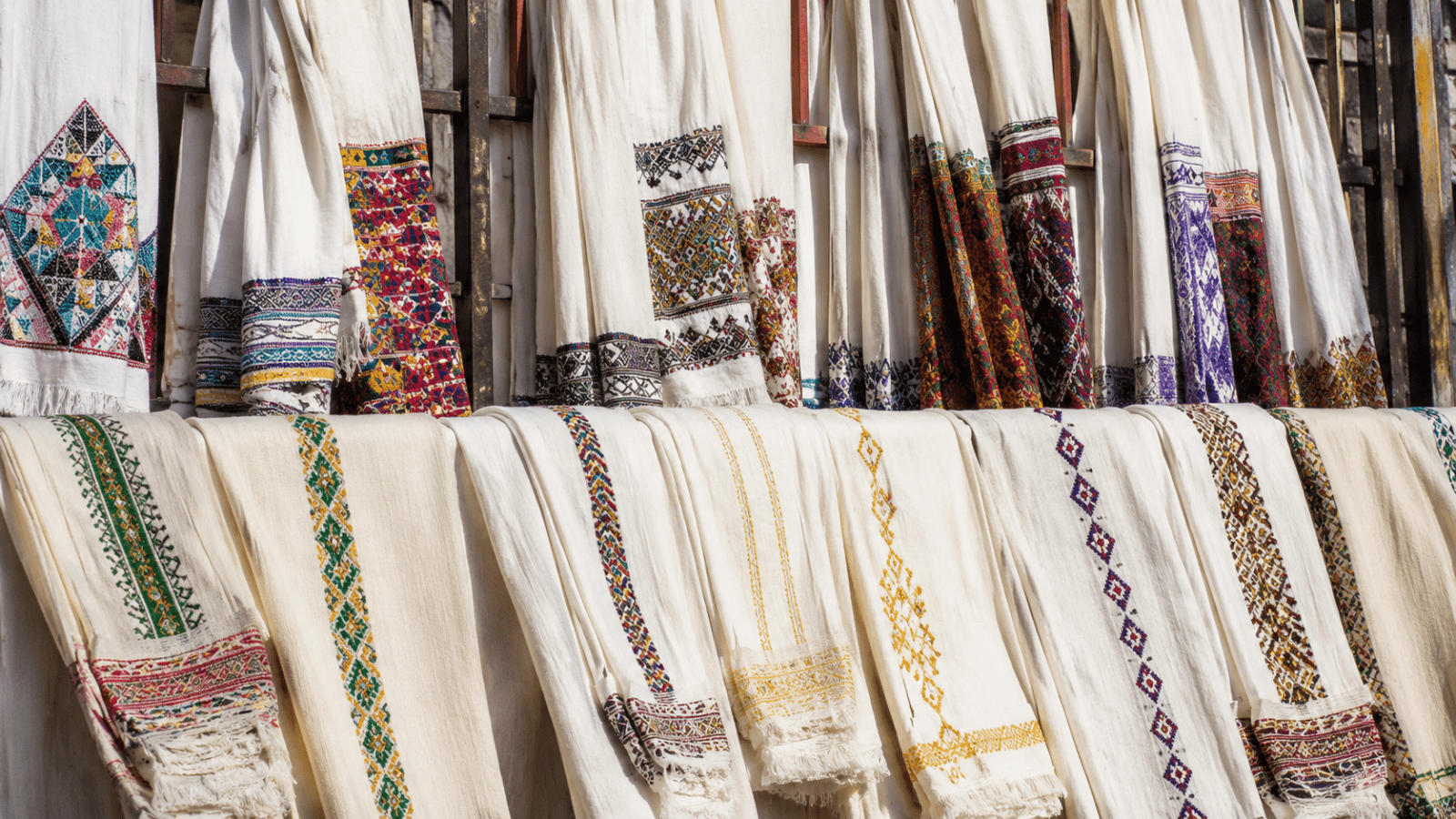
For textiles and traditional clothing, Shiromeda is more focused than many general markets. Look for white cotton garments, embroidery, shawls, and everyday local shopping energy; go with patience, small cash, and a willingness to compare quality before buying.
Plan Your Trip
Some links below are affiliate links. If you book through them, TripGuide may earn a commission at no extra cost to you.
Search flights to Addis Ababa
Use a flight-search partner to compare routes into Bole International Airport, especially if Addis Ababa is your first stop in Ethiopia or a wider Africa itinerary.
Search flightsCompare hotels and stay areas
Bole is practical for airport access and dining; Meskel Square and Kazanchis work well for museums, offices, and first-time sightseeing.
Find hotelsBook city tours and experiences
A local guide is helpful for museum context, Orthodox-site etiquette, market navigation, and making the most of a short stopover.
Book tickets & tours
Smart Picks
Recommended Travel Gear
Essential accessories for smoother journeys — trusted picks travelers love.
Affiliate links help support TripGuide.
Essential Addis Ababa Planning Notes
- Best first route: National Museum, Holy Trinity Cathedral, Meskel Square, and the Red Terror museum make a strong central-history day.
- Best viewpoint: Entoto is ideal in clear weather; take a light jacket because the hilltop air can feel cool.
- Best market focus: choose Shiromeda for textiles and traditional clothing; use Merkato only if you are comfortable with crowds and complex streets.
- Arrival tip: Bole International Airport is the main international gateway and major Ethiopian Airlines hub, so many visitors arrive directly or on a stopover.
- Etiquette: dress modestly at churches, ask before photographing people, and give yourself time to understand local coffee ceremony pacing.
What to Eat in Addis Ababa
Ethiopian food is central to the city experience. Expect injera, communal platters, spice-rich stews, grilled meats, vegetarian fasting dishes, and some of the best coffee rituals in Africa.
Local dishes to try
- Doro wat: a deep, spicy chicken stew often served with boiled egg and injera.
- Kitfo: minced beef seasoned with mitmita and clarified butter, often served raw or lightly cooked.
- Tibs: sautéed meat with onion, chilli, rosemary, and berbere-style warmth.
- Shiro: a comforting chickpea or broad-bean stew, especially good on fasting days.
- Beyaynetu: a colourful vegetarian platter of lentils, greens, vegetables, and injera.
Where to eat
Yod Abyssinia Traditional Food
A classic cultural-restaurant choice for traditional food, music, and dance. It works best as an evening experience rather than a rushed lunch.
Kategna Restaurant
A dependable Ethiopian restaurant for generous platters, tibs, fasting dishes, and a lively local dining room in the Bole area.
Totot Traditional Food Hall
A traditional food hall known for Ethiopian dishes and cultural atmosphere; useful when you want a broad local menu.
Trattoria Gusto
A modern alternative for Italian-Ethiopian crossover dining, useful when you want a break from traditional platters without leaving Addis flavours behind.
Food Delivery App
Deliver Addis
Deliver Addis lets travellers order from Addis Ababa restaurants to a hotel or apartment, useful after long museum days or late arrivals.
Ride Apps
RIDE and FERES
RIDE and FERES are commonly used local taxi apps in Addis Ababa; keep hotel addresses saved and confirm pickup points clearly.
Minimum Daily Budget
From about US$35–55 per day
A lean day can cover a simple guesthouse, local meals, coffee, shared taxis or app rides, and one paid sight. Mid-range comfort rises quickly with better hotels and guided touring.
When to Visit and How to Move Around
October to February is the easiest season for first-time visitors, with drier skies and good conditions for walking between museums, churches, and cafés. March to May can still be pleasant, while June to September is greener but wetter, especially in the afternoons.
Travel Cover
Add insurance before Ethiopia
Travel insurance is sensible for medical issues, missed connections, baggage problems, and longer Ethiopia itineraries beyond Addis Ababa.
Get travel insuranceInside the city, combine app taxis, hotel-arranged rides, walking in compact districts, and guided transfers for hilltop or market stops. The airport is close enough for stopover sightseeing, but traffic and security time still matter.
Visa and passport
Use Ethiopia’s official eVisa portal and check passport validity before travel. Normal tourist-visa processing is listed as three days, but apply earlier when possible.
Altitude
The city’s elevation can surprise visitors. Hydrate, sleep well, and avoid packing your first afternoon with heavy walking.
Money
Carry Ethiopian birr for smaller restaurants, taxis, markets, and tips. Cards are more useful in larger hotels and higher-end restaurants.
Local time habits
Ethiopia uses East Africa Time, and local time expressions may follow a dawn-based 12-hour system. Confirm meeting times in international time.
A Simple Addis Ababa Itinerary
For two days, spend day one on the National Museum, Holy Trinity Cathedral, Meskel Square, and the Red Terror museum, then finish with dinner and coffee. On day two, go up to Entoto, visit Unity Park or the Ethnological Museum, and leave time for Shiromeda textiles.
Private Transfers
Plan a smoother final day
A private transfer can simplify Entoto, market stops, airport returns, or a short business-trip itinerary when you do not want to negotiate every ride.
Get private transfersWith three or four days, slow the pace: add cafés, contemporary galleries, an evening cultural restaurant, and a possible day trip beyond the capital. Addis Ababa is best when treated as a layered city, not just a gateway to the rest of Ethiopia.
Sources & References
Written by TripGuide Editors. Opinions are our own, based on research online and offline.