CITY GUIDE • SOUTHEAST ASIA
Kuala Lumpur: Malaysia’s Vibrant Metropolis
Travel Guide for 2026
From the Petronas Twin Towers and Merdeka Square to Batu Caves and Jalan Alor, Kuala Lumpur blends polished urban energy, layered history, and serious food culture into one of Asia’s easiest capital-city breaks.
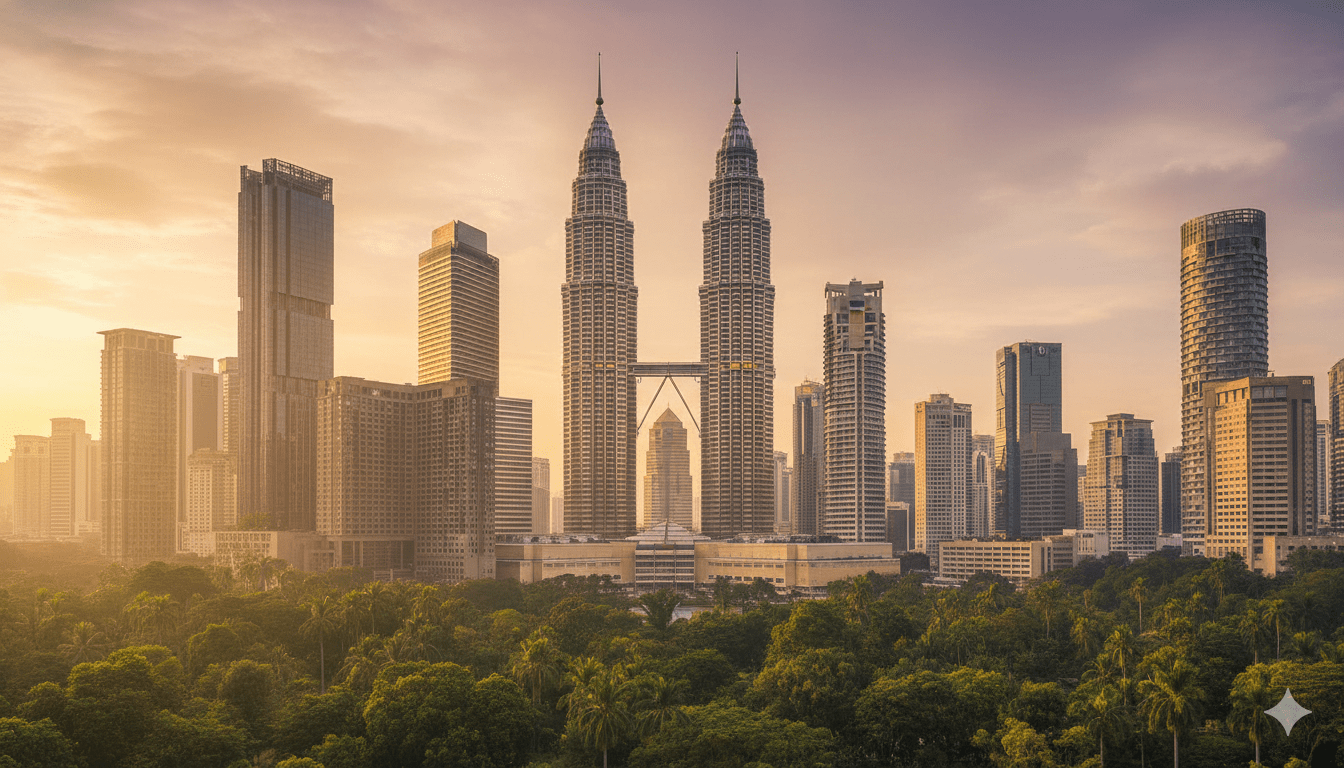
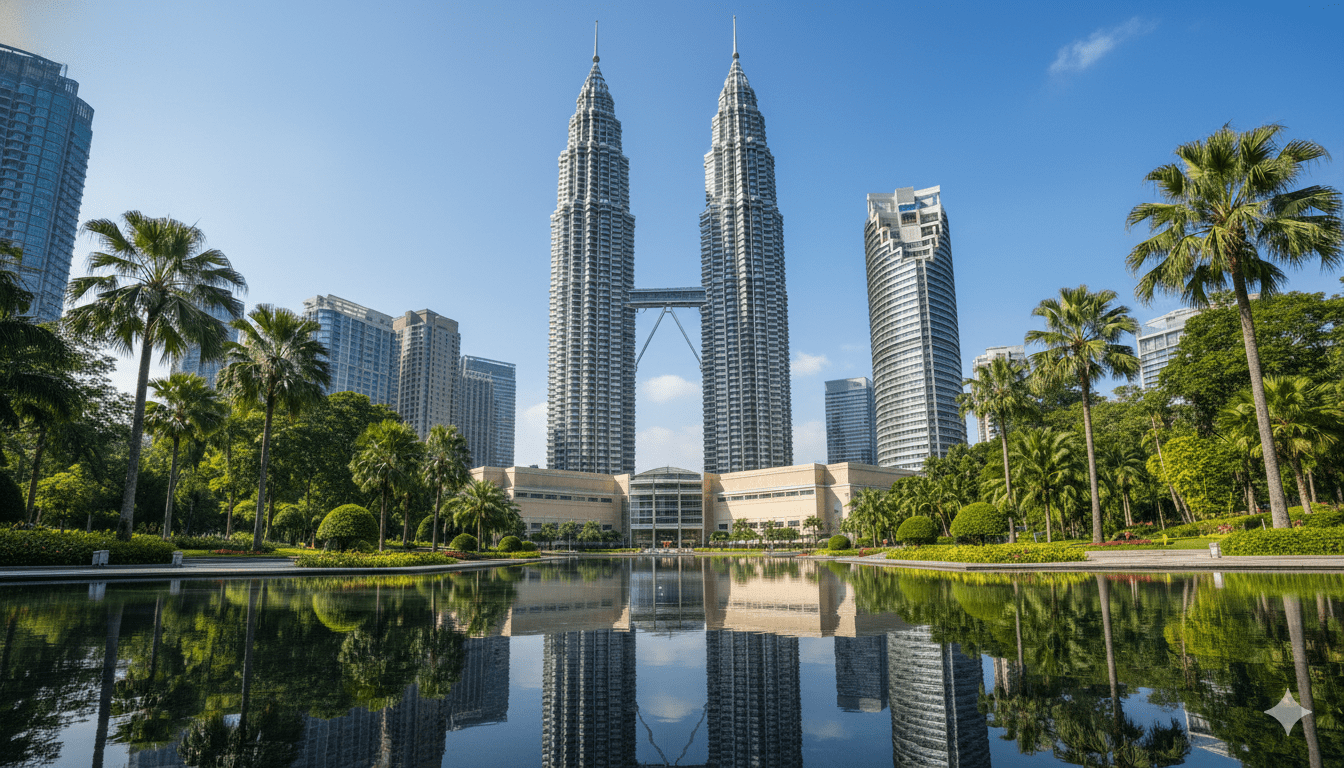
The Petronas Twin Towers anchor one of Southeast Asia’s most recognizable skylines.
Content Editor:
Hana Sherin
Kuala Lumpur is a city of striking contrasts done exceptionally well: colonial-era squares, glittering towers, temple caves, rail-connected neighborhoods, and late-night food streets all fit into a compact, traveler-friendly rhythm. It feels modern without being sterile and multicultural without losing its own identity, which makes it ideal for first-time visitors to Malaysia and repeat city-break travelers alike.
Known ForPetronas Twin Towers, multicultural food, polished malls, heritage quarters, and easy city transport
Travel MoodEnergetic, cosmopolitan, food-driven, and surprisingly easy to navigate
Ideal Trip Length3 to 4 days for highlights, 5 days with side trips
Come for the skyline, stay for the mix: Malay, Chinese, Indian, and global influences shape a capital that is as rewarding at street level as it is from above.
Why Kuala Lumpur Still Feels Distinct
Kuala Lumpur began at the confluence of the Klang and Gombak rivers, and its name reflects that origin. What makes the city compelling today is how confidently it layers its past onto a contemporary skyline: British-era civic buildings remain central around Merdeka Square, while Islamic design cues, megamalls, transit lines, and landmark towers push the city forward.
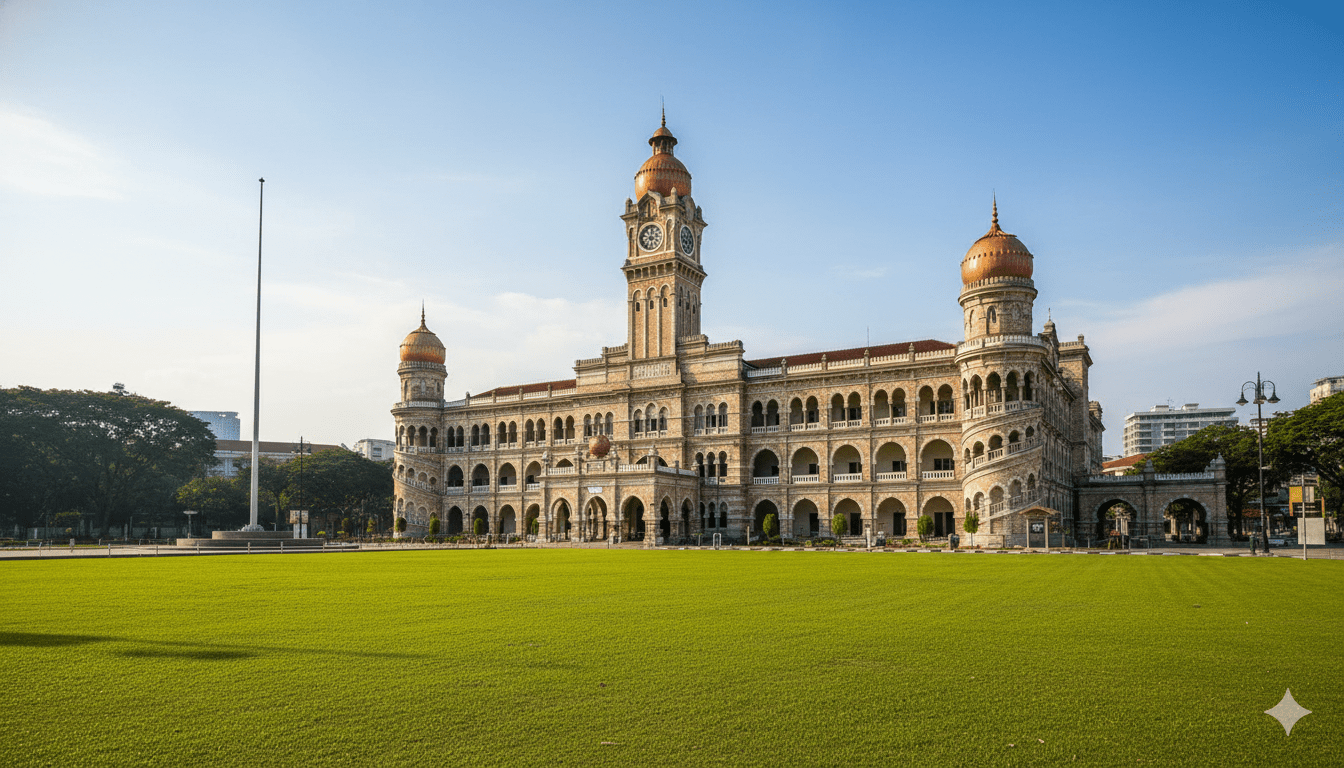
That cultural blend shows up everywhere. A day here might move from the Sultan Abdul Samad Building to KLCC, then on to a banana-leaf lunch, a Chinatown walk, and a hawker dinner in Bukit Bintang. Kuala Lumpur rarely asks visitors to choose between heritage and convenience—you get both.
Good to know before you land
KLIA Ekspres is the fastest airport-to-city option, while Rapid KL trains and buses cover most tourist zones well. For short stays, base yourself around KLCC, Bukit Bintang, or Chinatown for the easiest balance of transport, food, and sightseeing.
The Essential Kuala Lumpur Sights
The city’s classic attractions work best when you combine modern icons with cultural landmarks. These five stops give first-time visitors a strong read on Kuala Lumpur’s scale, history, and atmosphere.
Petronas Twin Towers & KLCC
The Petronas Twin Towers still define Kuala Lumpur’s image, and the surrounding KLCC district makes them more than a photo stop. Book a timed visit if you want the skybridge and observation deck, then linger around the park and mall area for an easy half-day in the city’s most polished quarter.
Tickets & Tours
Skip the guesswork on major sights
Use Klook for timed-entry tickets, attraction bundles, and city experiences around KLCC, Aquaria, observation decks, and other Kuala Lumpur highlights.
Book tickets & toursBatu Caves
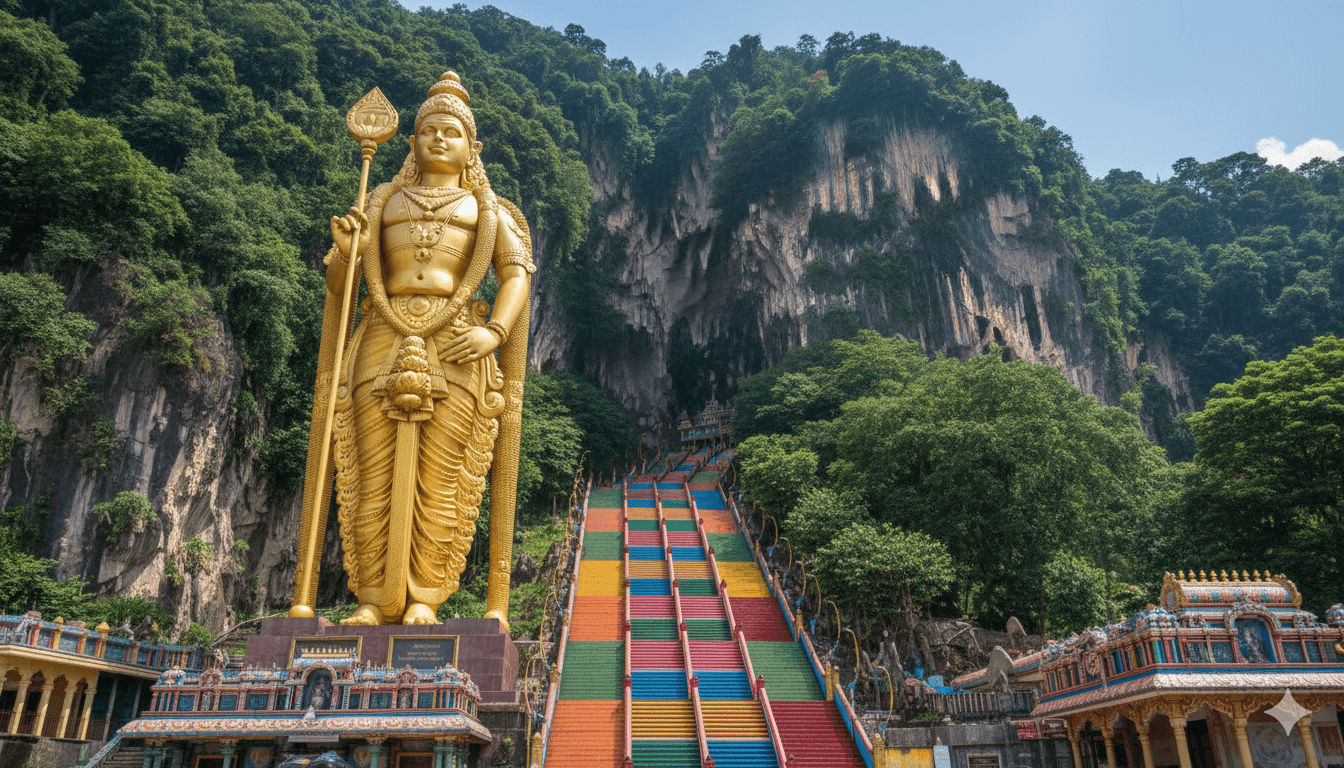
North of the center, Batu Caves offers one of Kuala Lumpur’s most memorable settings: a limestone hill, a huge golden Murugan statue, and the colorful stairway leading to the cave temple complex. Dress respectfully, expect steps, and go earlier in the day for softer light and slightly calmer conditions.
Airport Transfers
Make arrival day easier
For hotel pickups, early departures, or luggage-heavy travel days, a pre-booked transfer can be simpler than navigating after a long flight.
Book airport transfersMerdeka Square & the colonial core
This is where Kuala Lumpur’s historical layers come into focus. The broad green, the flagpole marking Malaysia’s independence story, and the surrounding civic buildings make the area worth visiting even if you are not usually drawn to administrative landmarks. It is one of the city’s strongest walking zones for architectural context.
Bukit Bintang & Jalan Alor
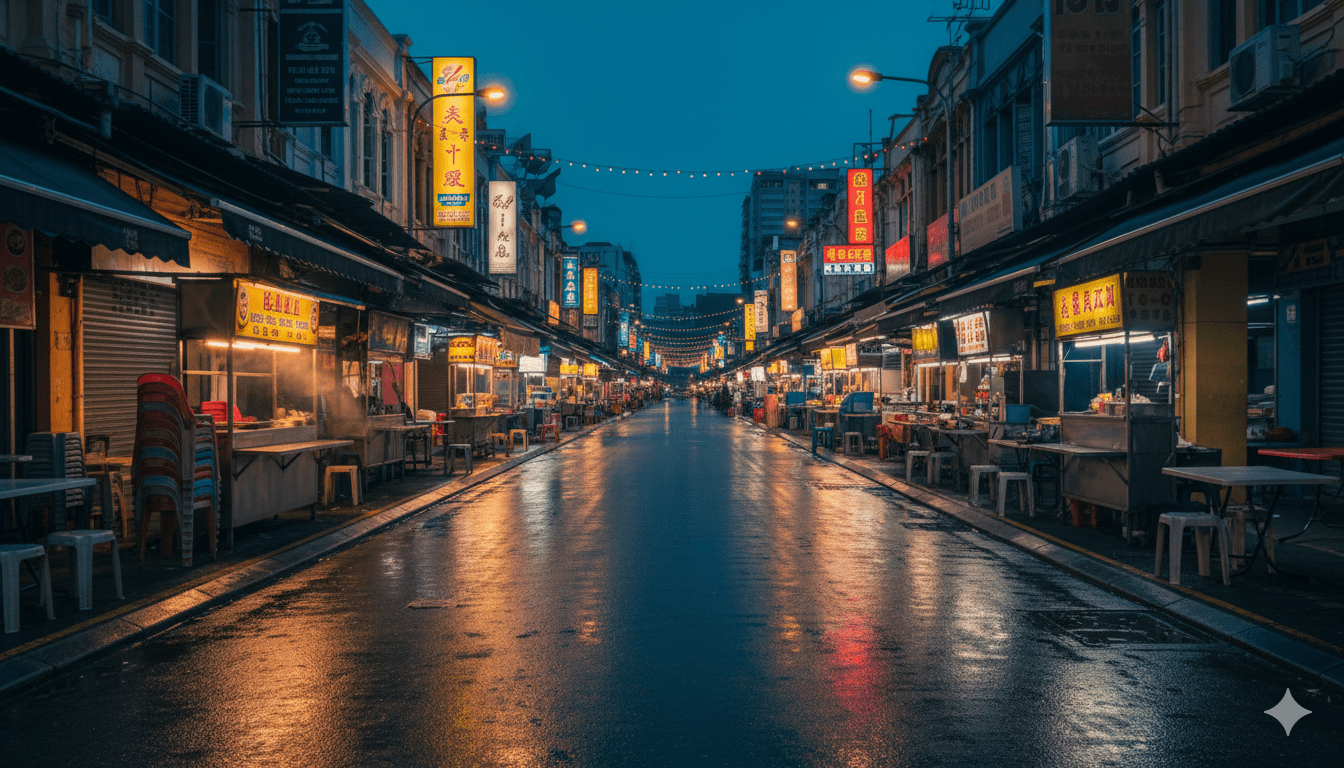
Bukit Bintang is Kuala Lumpur in full urban mode: retail, nightlife, hotels, neon, pedestrian energy, and constant movement. Nearby Jalan Alor adds the edible version of that energy, especially after dark, when grilled seafood, noodles, satay, and dessert stalls turn the street into one long dinner plan.
Connectivity
Stay connected from the moment you arrive
An eSIM keeps maps, ride apps, messaging, and food delivery working from the airport onward—especially useful for short city breaks and multi-stop Malaysia trips.
Get eSIMKL Tower or Aquaria KLCC
If you want a panoramic view, KL Tower remains one of the city’s best observation choices. If you want an indoor option near KLCC, Aquaria KLCC is an easy, family-friendly addition. Either one fits neatly into a flexible afternoon when tropical rain pushes you indoors.
Plan Your Trip
Some links below are affiliate links. If you book through them, TripGuide may earn a commission at no extra cost to you.
Search flights to Kuala Lumpur
Use a broad flight search to compare routes into KLIA and build the most efficient arrival for your budget and dates.
Search flightsCompare hotels in the right area
Focus on KLCC for polished convenience, Bukit Bintang for nightlife, or Chinatown for character and better value.
Find hotelsBook tours, passes, and entry tickets
Timed attractions and bundled city activities are easiest to manage when booked ahead, especially on short Kuala Lumpur stays.
Book experiences
Smart Picks
Recommended Travel Gear
Essential accessories for smoother journeys — trusted picks travelers love.
Affiliate links help support TripGuide.
Practical Tips for a Smooth Stay
- Arrive via KLIA Ekspres when speed matters: it links KLIA and KL Sentral quickly, after which MRT, LRT, Monorail, and ride apps cover most tourist areas.
- Use Rapid KL for city movement if you plan to sightsee intensively; KLCC, Pasar Seni, Bukit Bintang, and Sentral connect well.
- Expect heat and humidity year-round. Carry water, use sun protection, and keep a light umbrella handy for sudden rain.
- Dress modestly for mosques and temple sites, and wear shoes that handle stairs and uneven surfaces comfortably.
- Book headline attractions ahead on weekends or school holidays; Kuala Lumpur is easy, but the most popular slots can still fill.
What to Eat in Kuala Lumpur
The city’s food scene is one of its strongest reasons to visit. Start with classics, then mix hawker-style meals with a more polished Malay dining experience.
Local dishes worth seeking out
- Nasi lemak — fragrant coconut rice with sambal, anchovies, peanuts, egg, and often fried chicken.
- Char kway teow — smoky stir-fried flat noodles with prawns, egg, and a rich wok-char finish.
- Roti canai — flaky griddled flatbread, best eaten hot with dhal or curry.
- Satay — skewered grilled meat with peanut sauce, especially good as an evening snack.
- Cendol — a cooling dessert of shaved ice, palm sugar, coconut milk, and green rice-flour jelly.
Where to eat
Village Park Restaurant
A pilgrimage stop for nasi lemak lovers. Go for the fried chicken set and expect queues, especially on weekend mornings.
Bijan Bar & Restaurant
A polished introduction to refined Malay cooking near the city center, ideal for a slower dinner after a day of sightseeing.
Madam Kwan’s
A dependable pick for first-time visitors wanting a comfortable setting and a broad range of recognizable Malaysian favorites.
Lot 10 Hutong
A heritage-food hall in Bukit Bintang that lets you sample multiple classic vendors under one roof without overplanning the meal.
Food Delivery App
GrabFood Malaysia
GrabFood is a practical default in Kuala Lumpur for delivered meals, late-night cravings, and quick orders back to your hotel.
Ride Apps
Grab and airasia ride
Grab is the default app most travelers rely on in Kuala Lumpur, while airasia ride is worth checking for airport and city transfers.
Minimum Daily Budget
A realistic floor for budget-conscious travelers
Plan on roughly RM170 to RM220 per day for a hostel or simple room, local meals, public transport, and one paid attraction. Costs rise fast if you add rooftop bars, premium hotels, or frequent rides.
Smart Add-Ons, Side Stops, and Timing
A longer stay opens up more of the city’s cultural and green side. The National Museum, National Mosque, Thean Hou Temple, and KL Forest Eco Park all deepen the experience without demanding huge travel time.
Luggage Storage
Free up your last day
If you have a late flight, storing bags can turn checkout day into one more full sightseeing window instead of a logistics problem.
Store your bagsWeather is warm year-round, so timing is usually about rain rather than temperature. Morning sightseeing and indoor afternoons work particularly well in Kuala Lumpur, and the city’s malls, museums, and transit system make shifting plans easy.
Best area for first timers
KLCC if you want polished convenience, landmark views, and straightforward access to major attractions.
Best area for food and nightlife
Bukit Bintang for late dinners, shopping, bars, and the easiest walk to Jalan Alor.
Best area for character and value
Chinatown and Pasar Seni for heritage streets, cafés, and a more textured city feel.
Worth the side trip?
Yes—Genting Highlands works well if you want cooler air, mountain views, and a full extra day outside the city core.
Final Word
Kuala Lumpur is one of the easiest big-city introductions to Southeast Asia because it delivers a lot without making travel feel difficult. It has headline architecture, strong food, layered cultural landmarks, and enough infrastructure to keep even short trips efficient.
Travel Insurance
Cover the basics before departure
For international trips with flights, weather variables, and multiple bookings, a simple travel insurance policy adds a sensible layer of protection.
Get travel insuranceFor most travelers, that balance is Kuala Lumpur’s secret strength. You can admire the skyline, eat extremely well, move around with relative ease, and still find quieter cultural corners that make the city feel more nuanced than a checklist stop.
Sources & References
Written by TripGuide Editors. Opinions are our own, based on research online and offline.