Destination Debate
China or India: The Journey That Changes You More
Travel Guide for 2026
Two civilisations, two travel rhythms: China often surprises with polish, speed and scale, while India overwhelms and enchants with colour, ritual, food and human warmth.
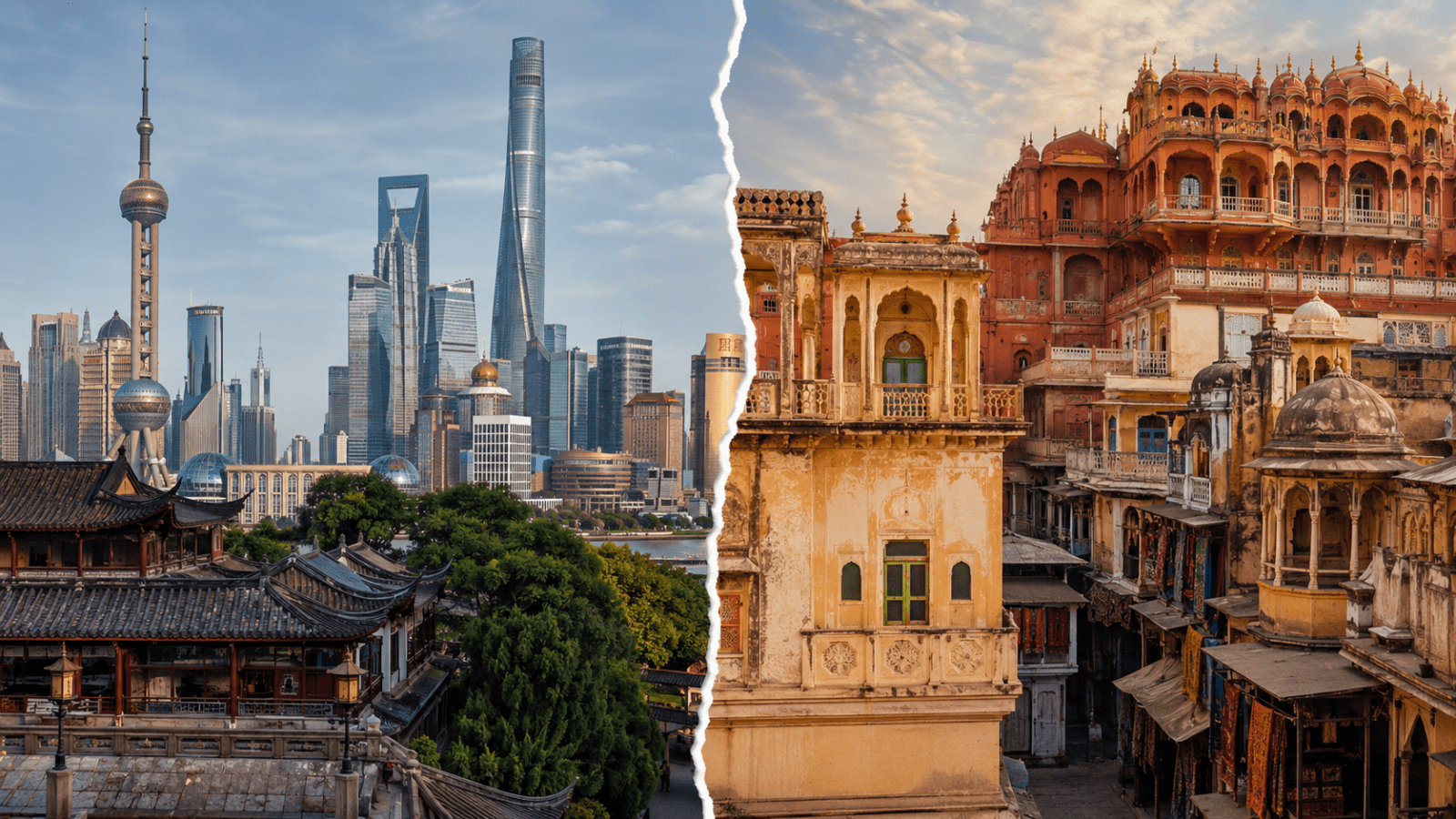
China and India reward different travel instincts: one often surprises with scale and order, the other with intensity and human texture.
Content Editor:
Hana Sherin
Choosing between China and India is not really a choice between two countries; it is a choice between two kinds of surprise. China can feel futuristic within minutes of landing, with bullet trains, QR payments and immaculate urban parks. India, by contrast, pulls travellers into street life, spirituality, markets and conversations that can feel chaotic, generous and unforgettable all at once.
Known ForAncient civilisations, blockbuster food cultures, megacities, temples, palaces, mountains and sensory travel.
Travel MoodChina: sleek, structured, high-speed. India: vivid, emotional, improvisational.
Ideal Trip Length10–14 days for a first taste; three weeks or more for a deeper multi-city route.
China may surprise you by how easy it feels once your apps are ready; India may surprise you by how deeply it stays with you long after the trip ends.
The Core Difference: Smooth Shock vs. Sensory Shock
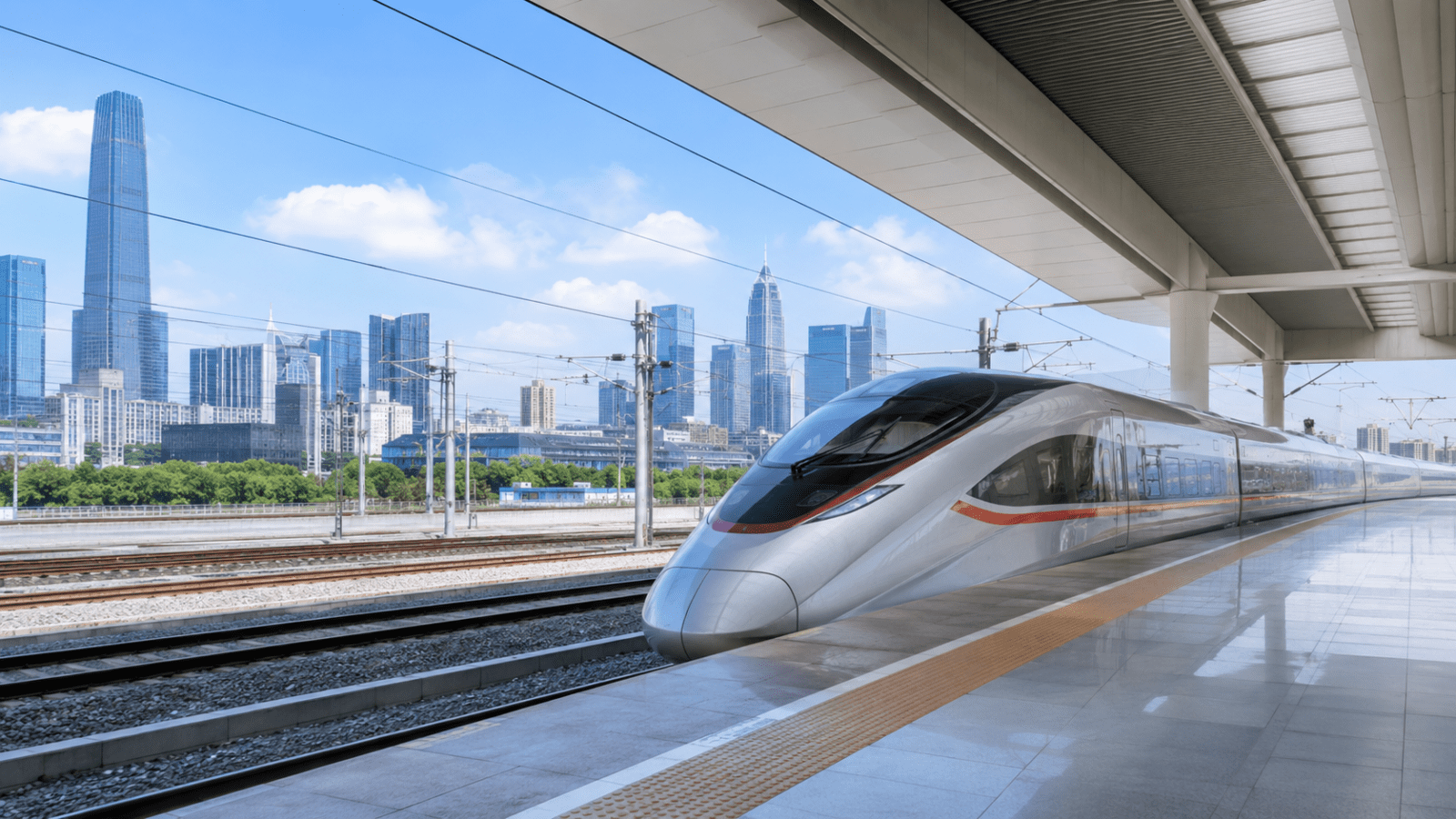
China’s surprise is often practical. First-time visitors frequently expect logistical friction, then find fast trains, clear metro systems in major cities, cashless payment routines and modern public spaces. The challenge is front-loaded: set up translation, payment and connectivity before you go.
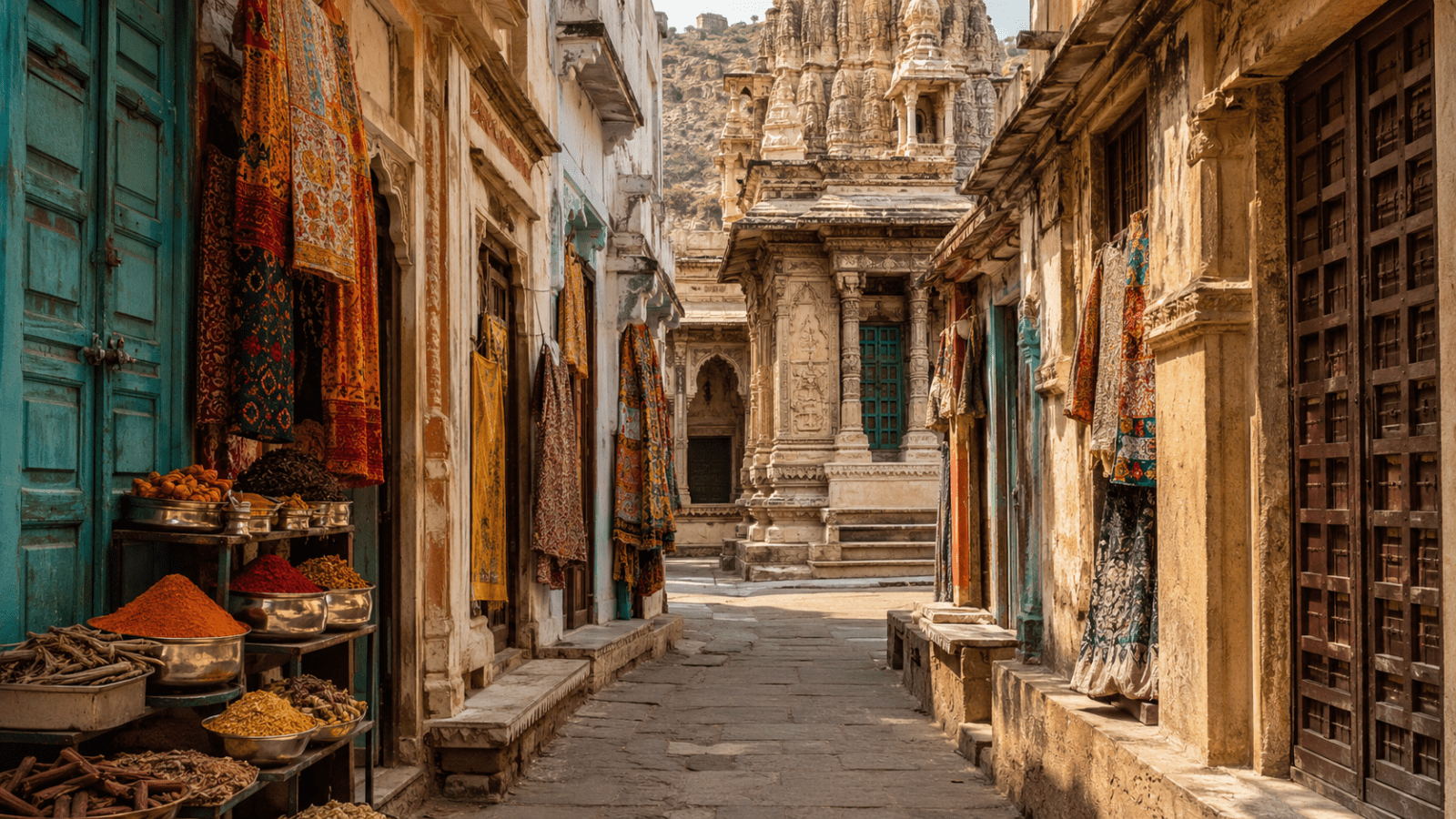
India’s surprise is emotional. It is rarely frictionless, especially in big cities, but its theatre of daily life is hard to replicate: temple bells, chai stalls, wedding processions, old bazaars, hand-painted signs, railway platforms and layered regional cuisines.
Best first-time choice
Choose China if you want a cleaner, more orderly introduction to Asia with major infrastructure wow-factor. Choose India if you want a more immersive, unpredictable and intensely human journey.
What Will Actually Surprise You More?
Both countries are enormous, regional and impossible to reduce to a single mood. For most travellers, the surprise comes from how quickly expectations are overturned.
China: The Scale Feels Effortless
China’s big reveal is the blend of imperial history and highly modern systems. Beijing, Shanghai, Xi’an, Chengdu, Guilin and Chongqing can feel like separate trips, yet rail and domestic transport make ambitious routes more realistic than many travellers expect.
Smart Planning
Book landmark tickets and day tours early
Major museums, viewpoints and heritage sights can require timed planning. Use a ticket platform for simple attraction access, especially when language barriers matter.
Book tickets & toursIndia: The Everyday Becomes the Main Event
India’s great travel moments are not only monuments. The walk to a market, a train conversation, a dawn ghat visit, a roadside dosa or a festival detour can become the thing you remember most.
Flights
Compare long-haul and regional flight routes
Both countries reward multi-city planning. Compare inbound airports and domestic legs before locking the order of your itinerary.
Search flightsFood: China Is Regional Precision, India Is Spice Theatre
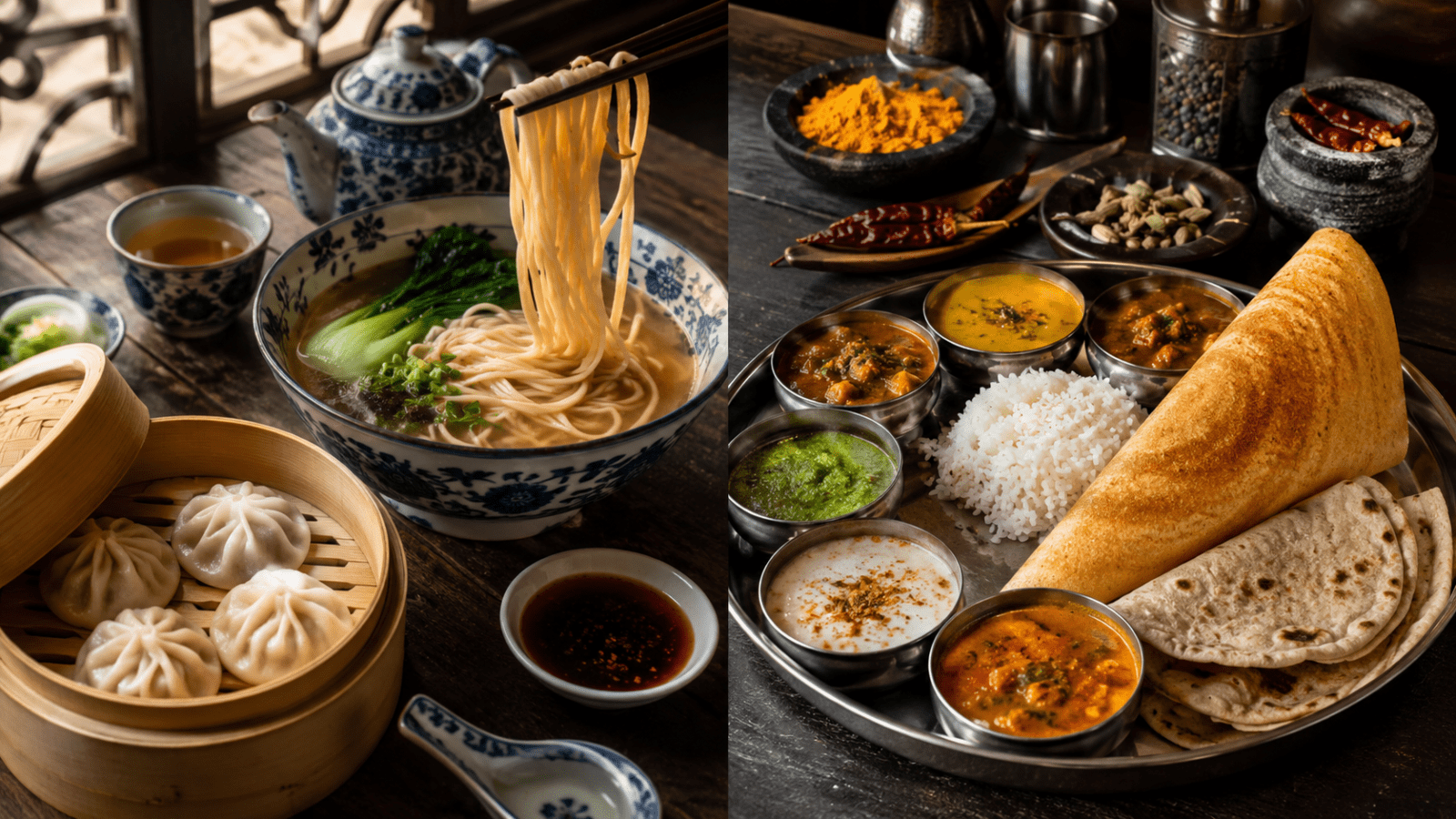
China’s cuisine shifts dramatically from Cantonese dim sum and Sichuan heat to hand-pulled noodles and Yunnan mushrooms. India is equally regional, from thali and biryani to dosa, chaat, kebabs and coastal curries.
Digital Life: China Needs Setup, India Feels Familiar Faster
China rewards travellers who prepare payment apps, maps, translation and connectivity before arrival. India is generally more familiar for English-speaking visitors, with open access to common Western apps and easier casual communication in many cities.
Connectivity
Set up mobile data before landing
An eSIM helps with maps, translation, train bookings and ride apps. It is especially useful in China, where digital preparation matters.
Get eSIMPeople: India Is Easier to Chat Through, China Is Quieter but Helpful
India’s English advantage makes spontaneous conversations easier in many urban and tourist settings. China can feel more reserved, but helpfulness is often practical: pointing, translating, escorting you to the right counter or solving a ticket problem.
Plan Your Trip
Some links below are affiliate links. If you book through them, TripGuide may earn a commission at no extra cost to you.
Find the smartest flight route
Compare open-jaw and multi-city fares before choosing China, India or a combined Asia route.
Search flightsStay close to transit
In both countries, a well-located hotel near metro, rail or heritage zones saves energy and stress.
Find hotelsAdd guided context
Guides can turn palaces, temples, old quarters and museums from beautiful sights into understandable stories.
Book tickets
Smart Picks
Recommended Travel Gear
Essential accessories for smoother journeys — trusted picks travelers love.
Affiliate links help support TripGuide.
Fast Decision Guide
- Choose China for clean city infrastructure, high-speed rail, futuristic skylines, orderly nightlife and easier long-distance logistics.
- Choose India for spiritual atmosphere, street life, English-speaking ease, deeper social encounters and a more visceral cultural hit.
- Choose China first if you are nervous about crowds, hygiene or chaotic transport but still want a major cultural journey.
- Choose India first if you love markets, ritual, people-watching, spice, history and travel that refuses to stay tidy.
- Choose both only if you have enough time; each country deserves its own mental reset, not a rushed checklist.
Food, Restaurants and Everyday Apps
Food may be the closest contest. China often feels easier for cautious eaters when choosing busy, clean restaurants; India offers unforgettable flavour but asks travellers to be more selective with water, ice and street food.
Local dishes to build a trip around
- Peking duck: crisp skin, pancakes and ceremony in Beijing.
- Sichuan hotpot: numbing peppercorn heat and communal dining.
- Xiaolongbao: delicate soup dumplings associated with Jiangnan and Shanghai-style dining.
- Masala dosa: crisp rice-lentil crepe with potato filling and chutneys.
- Biryani or thali: two iconic ways to taste India’s regional range.
Where to eat for the first-timer
Quanjude, Beijing
A classic name for Peking duck, useful for travellers who want a formal, heritage-style introduction to Beijing dining.
Din Tai Fung, Shanghai
A polished xiaolongbao stop for travellers who want dumplings in a predictable, internationally familiar setting.
Karim’s, Delhi
A historic Old Delhi favourite for kebabs, curries and Mughal-style flavours near Jama Masjid.
Saravana Bhavan, Chennai or Delhi
A reliable vegetarian South Indian chain for dosa, idli, filter coffee and a gentler first step into Indian dining.
Food Delivery App
China: Meituan; India: Swiggy or Zomato
Use Meituan in China where available, and Swiggy or Zomato in India. Hotel staff can help with address formatting and local phone issues.
Ride Apps
China: DiDi; India: Uber or Ola
DiDi is the key China ride app for many visitors. In India, Uber and Ola are widely used, though local availability varies by city.
Minimum Daily Budget
From about US$35–60 per day
Shoestring travellers can manage dorms, local meals and metro or bus rides from roughly US$35–60 daily. Add more for intercity rail, private transfers, guided tours and safer hotel choices.
Practical Friction: Visas, Payments, Transport and Internet
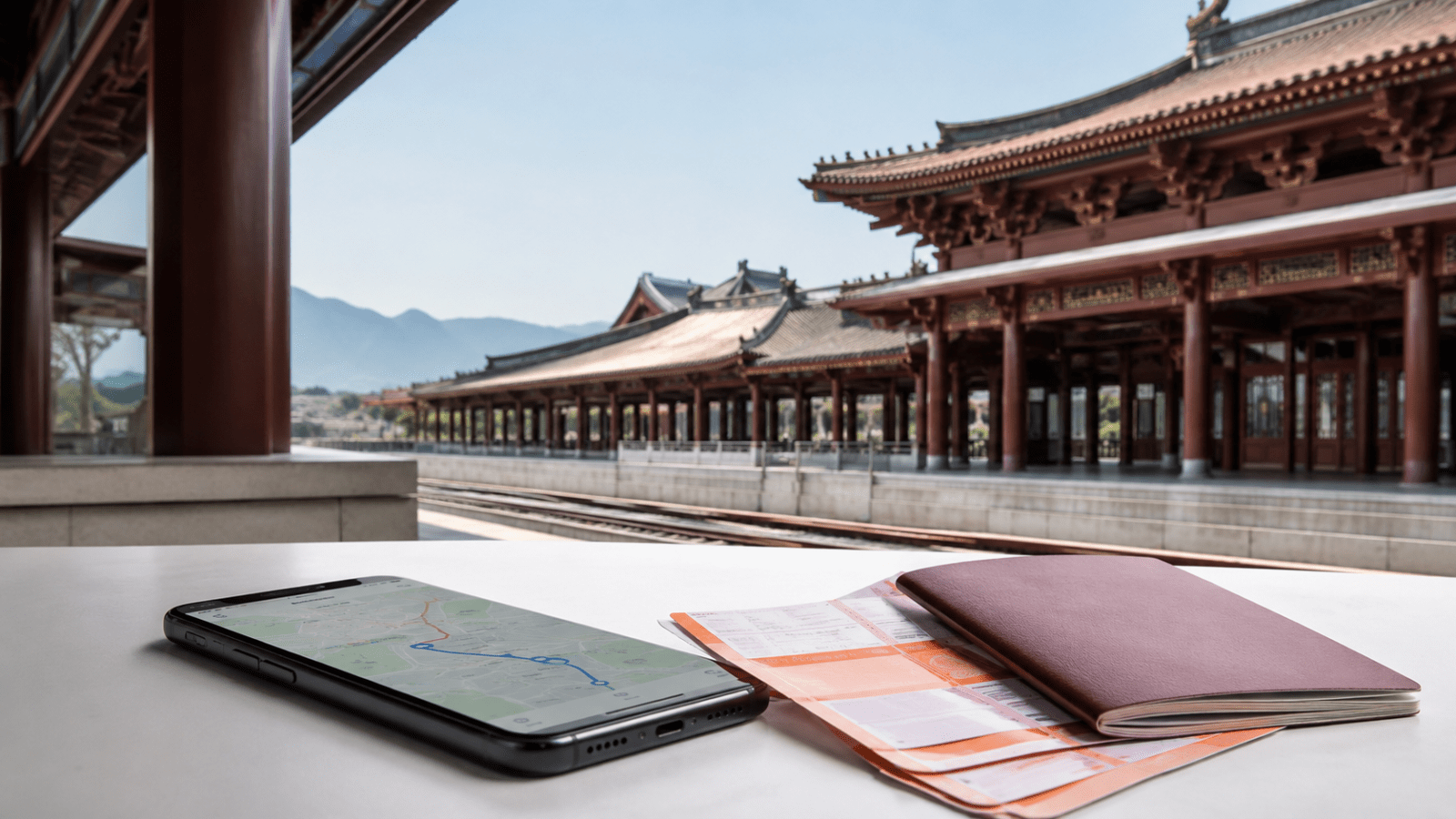
China’s most important friction points are digital: payment setup, app access, translation and internet restrictions. Once those are handled, the country can feel strikingly efficient. Official guidance now explains how overseas visitors can use mobile payments such as Alipay and WeChat Pay.
Transfers
Consider a pre-booked airport transfer
Arriving after a long-haul flight is easier when your first ride is solved, especially in China before local apps are tested.
Book airport transfersIndia’s friction points are more physical: traffic, crowds, heat, noise and uneven infrastructure. The advantage is communication. English is more useful in India than in most of China, and familiar apps often work without the same level of pre-trip configuration.
Cleanliness
China generally feels cleaner and more orderly in major urban areas. India varies sharply and can be visually intense in crowded districts.
Transport
China has the stronger high-speed intercity rail advantage. India’s rail network is iconic, but comfort and punctuality depend more on route and class.
Language
India is easier for English-speaking travellers. China requires translation apps outside internationally oriented hotels and major attractions.
Surprise factor
China surprises by feeling more advanced than expected. India surprises by feeling more alive, layered and emotionally immersive.
Verdict: Which Country Will Surprise Travelers More?
China is more likely to surprise travellers who arrive with outdated ideas. Its cities, rail systems, digital life and public order can feel unexpectedly advanced, especially on a first visit. It is the easier recommendation for travellers who want spectacle with structure.
Travel Cover
Protect a big Asia trip
Both countries involve long transfers, weather swings and packed itineraries. Travel insurance is sensible for medical issues, delays and cancellations.
Get travel insuranceIndia is more likely to change the traveller. It can be exhausting, magnificent, frustrating and generous in the same afternoon. If surprise means convenience, China wins. If surprise means emotional impact, India is almost impossible to beat.
Sources & References
Written by TripGuide Editors. Opinions are our own, based on research online and offline.