Sustainable Travel • Global Perspective
The Powerful Impact of 1.5 Billion Travelers
Updated for 2026
International tourism is moving at enormous scale again. That means every booking, every meal, every hotel stay, and every travel habit now shapes the future of destinations more than ever before.

TripGuide explains sustainable travel through simple, practical choices ordinary travelers can repeat.
Content Editor:
Hana Sherin
Global tourism has returned with incredible force. Around 1.5 billion international travelers are now moving across borders at a scale that brings huge economic opportunity, deeper cultural exchange, and unforgettable experiences. But it also means every traveler is part of a much bigger environmental and social story. In a world this connected, your travel choices are no longer small.
Travel impact is not only about one trip.
It is about what happens when the same travel habit is repeated millions or billions of times.
Small actions can scale into big problems.
Plastic bottles, buffet waste, short stays, and careless movement become serious when repeated at mass-tourism scale.
Better habits scale too.
Local spending, reusable items, slower travel, and public transport can become a powerful positive signal.
A simple way to understand it
One travel habit
×
1.5B travelers
destination impact
Scale
Tourism decisions now influence destinations at enormous global scale.
Risk
Careless travel can overload nature, neighborhoods, culture, and local systems.
Opportunity
Smarter travel habits can support cleaner, fairer, and more resilient destinations.
When billions of people travel, “small choices” stop being small. A reusable bottle, a longer stay, a local meal, or one less disposable item becomes part of a much bigger global shift.
Why Sustainable Travel Matters More Than Ever
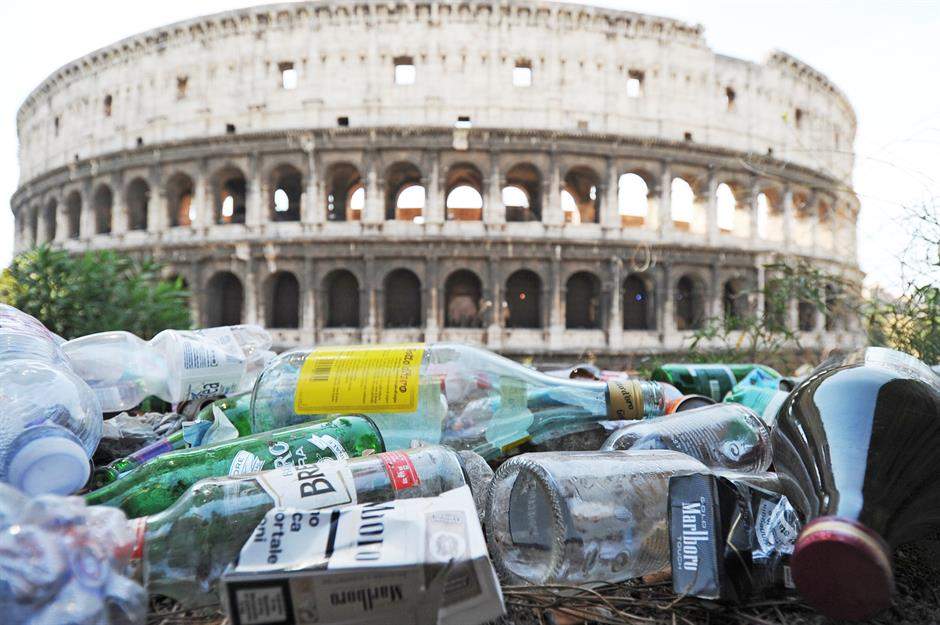
Travel is one of the most beautiful ways to connect with the world. But when destinations receive millions of visitors, even convenient everyday habits can create heavy pressure. Water use rises. Waste increases. Public spaces become overcrowded. Nature and culture face strain. Sustainable travel is about making sure the places we love are still worth visiting in the future.
The key idea
Travel itself is not the problem. The problem is careless travel at massive scale. The encouraging part is that better behavior also scales. When millions of travelers make smarter choices, destinations feel the difference.
1
People arrive
More visitors increase demand for rooms, water, energy, transport, food, and public space.
2
Habits repeat
Disposable items, short stays, buffet waste, and careless choices multiply quickly.
3
Places absorb it
Communities, heritage sites, beaches, trails, and waste systems carry the pressure.
4
Choices redirect it
Responsible choices turn tourist demand into cleaner, fairer, more respectful travel.
The Human Side of Sustainable Travel
Sustainable travel is not only about nature. It is also about people. Destinations are not theme parks built only for visitors. They are homes, neighborhoods, cultures, traditions, and everyday lives. When tourism becomes too intense or too careless, local residents often absorb the pressure first.
That is why responsible tourism means respecting both the environment and the communities behind the experience. The best trips are not the ones where visitors take the most. They are the ones where everyone benefits.

From Tourist to Contributor
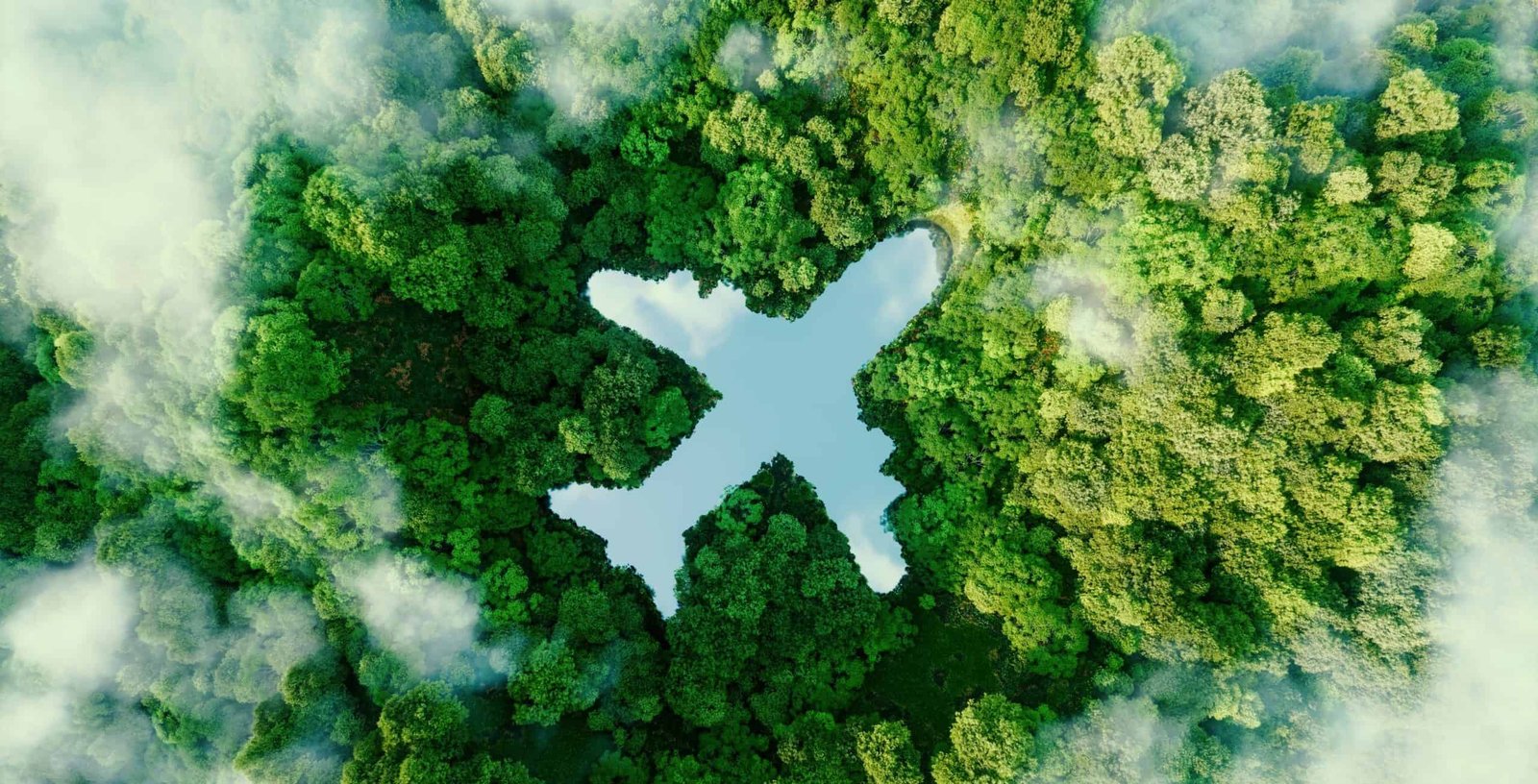
Every traveler sends signals through the choices they make. Where you stay, where you eat, what you buy, how you move around, and which businesses you support all influence the direction of the tourism industry. If more travelers choose businesses that reduce waste, employ local people, respect culture, and manage resources better, those models become stronger.
This is the real power of conscious travel. It turns a simple holiday into something more meaningful. Instead of just consuming a destination, you help strengthen it.
Buy local
Local meals, guides, markets, and stays keep more value inside the destination.
Reuse more
A bottle, bag, cup, or container can quietly remove repeated waste from every trip.
Slow down
Longer stays reduce transport pressure and create deeper cultural connection.
Choose transit
Walking, buses, trains, and metro systems often make travel richer and lighter.
Where thoughtful travel creates strong positive effect
Some actions are especially powerful because they are simple, repeatable, and realistic for ordinary travelers.
7 Sustainable Travel Choices That Make a Real Difference
1
Choose Eco-Conscious Stays
Book accommodation that takes sustainability seriously through reduced waste, water-saving systems, responsible sourcing, and clear environmental action.
2
Travel Slower and Stay Longer
Spending more time in fewer places reduces transport intensity and gives you a deeper connection with each destination.
3
Support Local Economies
Choose local restaurants, family-run stays, artisans, and guides so more of your spending stays inside the community.
4
Cut Single-Use Plastics
Carry a refillable water bottle, reusable bag, and say no to unnecessary disposable items whenever possible.
5
Use Water and Energy Carefully
Shorter showers, turning off air-conditioning, and reusing towels may seem small, but repeated by millions they matter greatly.
6
Use Smarter Transport
Walk, take trains, buses, metro systems, or shared rides where practical. These choices often create a richer travel experience too.
7
Respect Culture and Space
Honor local customs, dress expectations, sacred places, and community boundaries. Sustainability is social as much as environmental.
+
Offset Only After Reducing
Offsets can help, but they work best as a final step after you have already made better choices throughout the journey.
Why Plastic Reduction Is One of the Easiest Wins
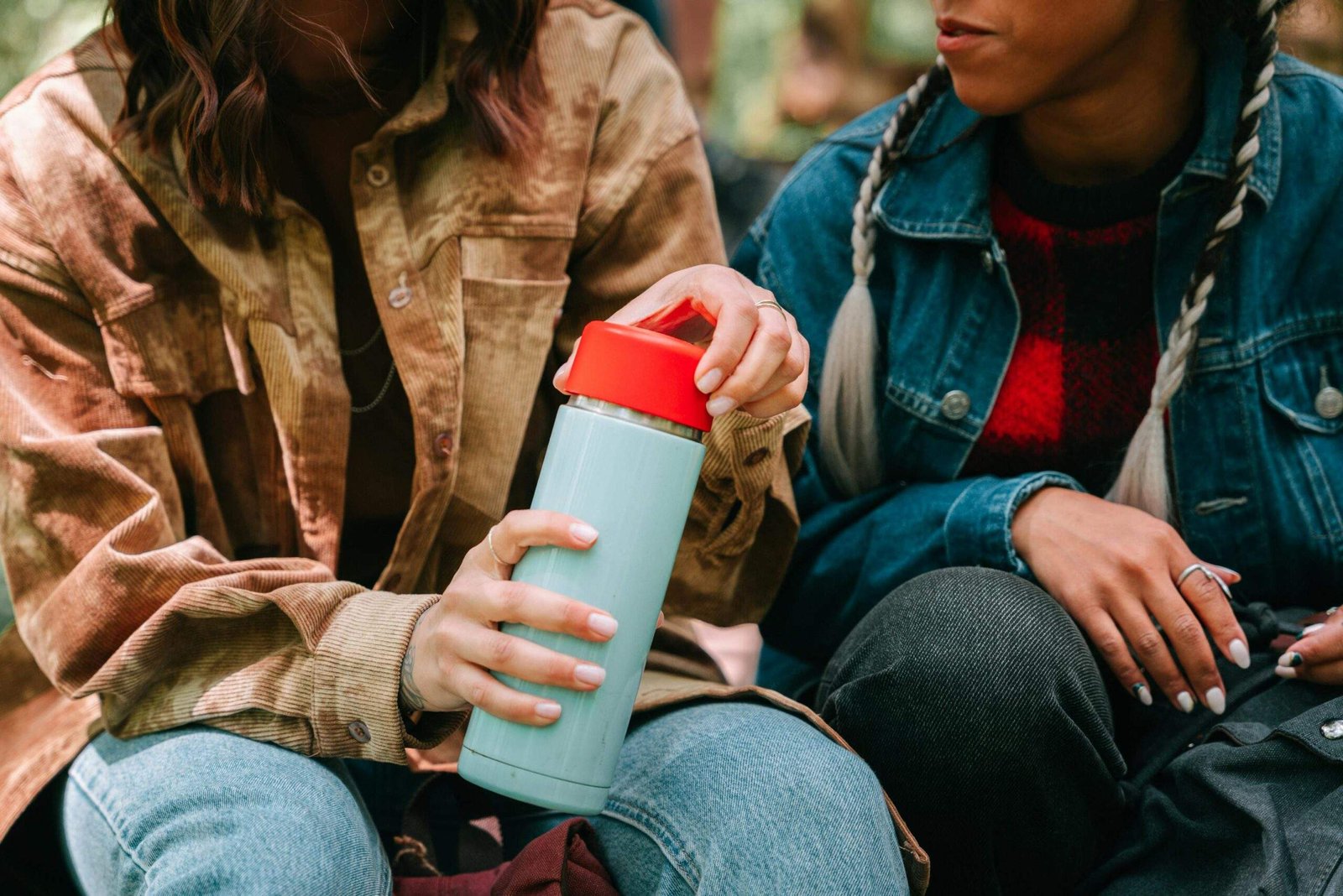
Single-use plastic is one of the most visible and most avoidable problems in tourism. In many popular destinations, waste systems are already stretched. That means a disposable bottle, cup, straw, or bag used for a few minutes can remain in the environment far longer than the trip itself.
Reusable habits are practical, affordable, and scalable. They are also one of the easiest ways to start traveling more responsibly without changing the joy of the journey.

The Ripple Effect of Better Travel
Responsible tourism creates benefits that spread outward. Better traveler behavior can support cleaner destinations, stronger local businesses, protected culture, and healthier ecosystems. Communities that benefit fairly from tourism are also more likely to protect their heritage and natural resources for future generations.
That is what makes sustainable travel so powerful. It is not about perfection. It is about momentum. And momentum matters when billions of people are involved.
Big Picture
Your Choices Are Part of a Global Vote
Every booking, every meal, every ride, every refill, and every local purchase is a signal to the tourism industry. Travelers shape demand. Demand shapes the future. That means your travel habits matter more than ever.
A simple traveler pledge
You do not need to become a perfect traveler. Start with three realistic promises you can actually repeat.
I will reduce one disposable habit.
I will spend more with local businesses.
I will respect the place as someone’s home.
Sustainable Travel Is Also Better Travel
There is another important truth: sustainable travel often creates a more meaningful trip. It helps you slow down, notice more, connect more deeply, and experience places as living communities rather than just a checklist of attractions. In many cases, responsible travel is not only the smarter choice. It is also the more memorable one.
The best souvenir is not only what you bring home. It is the knowledge that your journey helped protect, respect, and support the place that welcomed you.
Final Thought
Being one traveler among 1.5 billion can sound insignificant. In reality, it means you are part of one of the most powerful forces shaping the modern world. The future of tourism will depend not only on governments, airlines, and hotel groups, but also on the habits travelers normalize every day.
So before your next adventure, ask one simple question: Will my choices help preserve this place, or add more pressure to it? That question alone can change the future of travel.
Share Your View
How Do You Travel More Responsibly?
Share your best sustainable travel habits, local discoveries, or eco-friendly tips in the comments. Your idea could inspire more travelers to explore the world in a better way.
Frequently Asked Questions
What is sustainable travel?
Sustainable travel means exploring in a way that reduces environmental harm, respects local culture, and supports communities more fairly.
Do small habits really matter?
Yes. A single action may feel minor, but when millions of travelers repeat it, the combined effect becomes very powerful.
Is sustainable travel always expensive?
No. Many effective habits are simple and affordable, like using a reusable bottle, staying longer in one place, or supporting local food and transport.
What is the easiest habit to start with?
Reducing single-use plastic is one of the easiest and fastest ways to travel more responsibly.
Why does supporting local businesses matter?
Because it helps keep tourism income within the destination and strengthens the communities that make travel experiences meaningful.
Key Takeaways
- Sustainable travel is about reducing environmental harm while respecting culture and supporting communities fairly.
- The footprint of tourism includes waste, water, energy, transport, and social pressure — not only flights.
- Simple repeatable actions such as reducing plastic, supporting local businesses, and traveling slower have strong cumulative impact.
- Responsible tourism often improves the travel experience itself by creating deeper, more meaningful connection with places.
Written by TripGuide Editors. Opinions are our own, based on research online and offline.